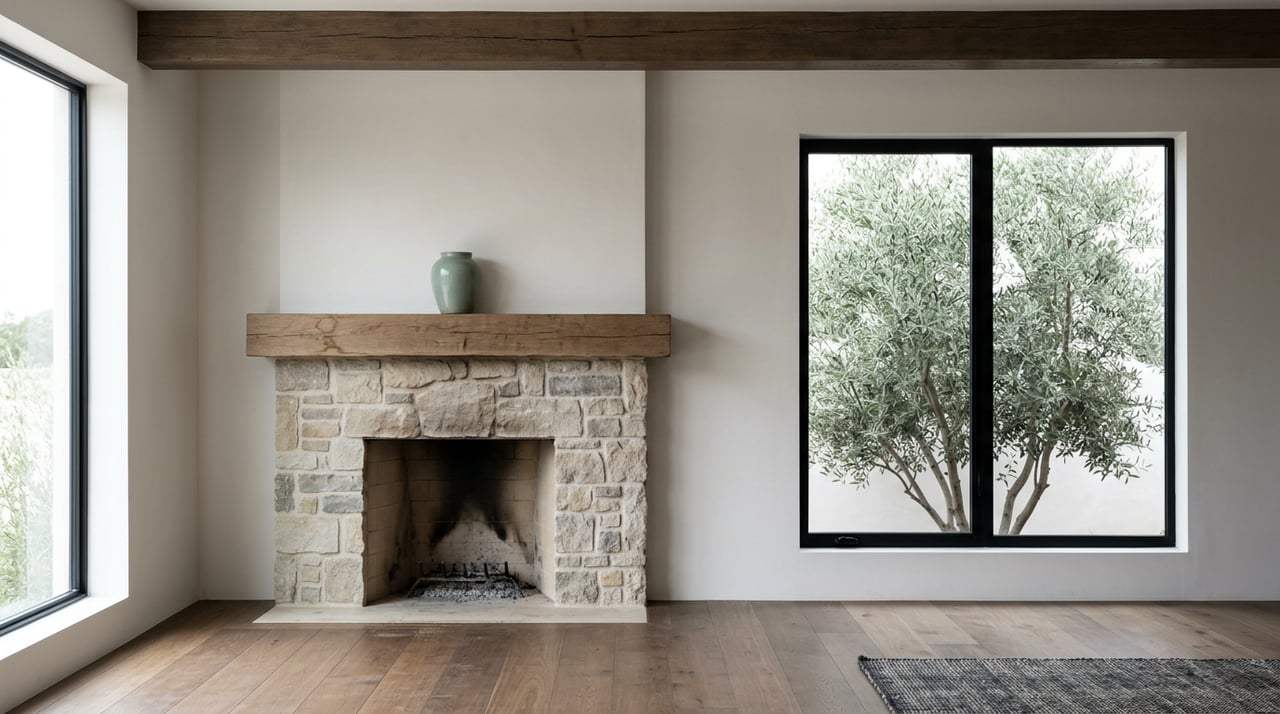
The Foundation Question a 12-Day Willow Glen Close Doesn't Leave Room For
September 24, 2026
September 24, 2026
Willow Glen is selling fast enough that the contract timeline and the age of the housing stock have started working against each other. In June 2026, the most recent month with complete closed sales, 57 single-family homes changed hands in the neighborhood. They went pending in a median of 12 days and closed at 103 percent of list price. That pace rewards buyers who write clean offers with short contingency periods, and it punishes anyone who wants a week to think it over. What it does not do is give a buyer time to properly evaluate what's holding up a house that was likely built before 1950.
That's the trade nobody spells out clearly enough. The same charm that makes Willow Glen's bungalows and Spanish Revivals desirable, their age and their original bones, is also what puts a specific and well-documented structural risk under a large share of the neighborhood's homes. Speed and vintage don't cancel each other out. They compound.
Zoom out from June and the pattern holds across the first half of 2026. Willow Glen's broader housing market has been running at roughly ten days on market with buyers regularly submitting multiple offers, based on closed-sale tracking from earlier this year. A sale-to-list ratio above 100 percent, sustained across months rather than a single hot week, tells you something specific: sellers are not negotiating down from list, and buyers are competing hard enough that inspection contingencies become the first thing agents suggest shortening or waiving to win.
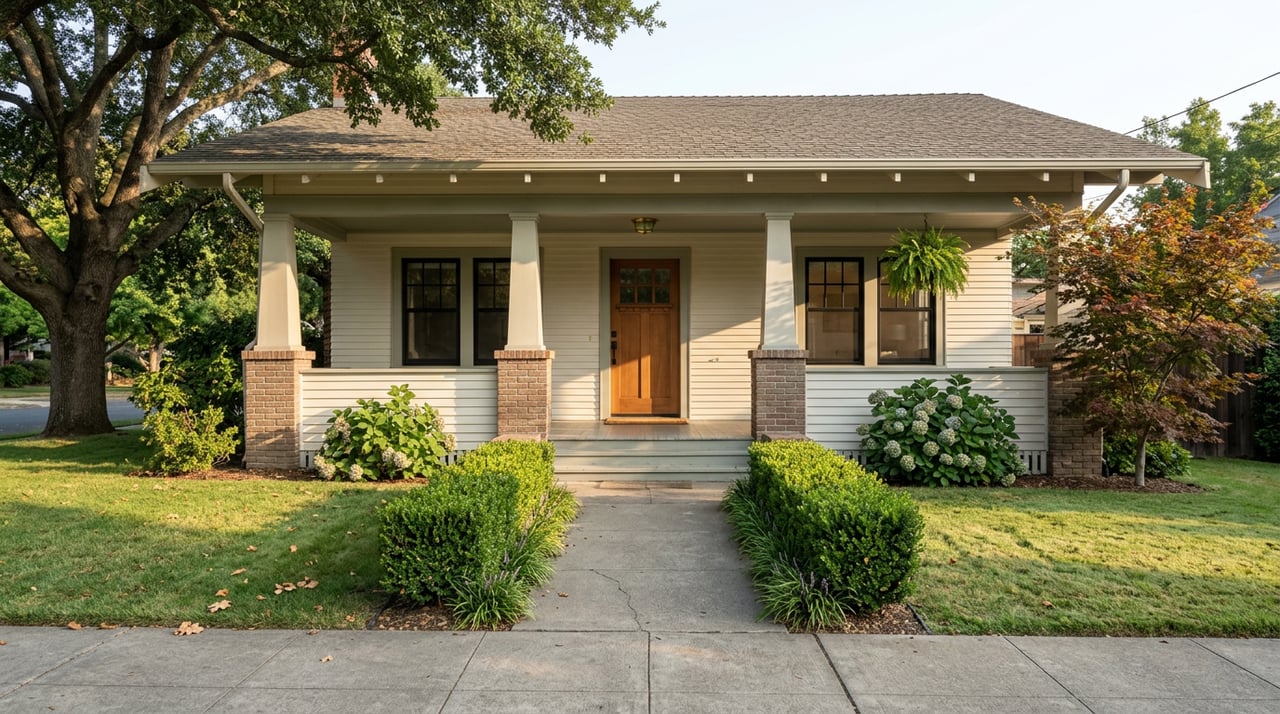
That's a reasonable strategy in a lot of markets. It's a riskier one here, because Willow Glen's age profile is not evenly distributed the way it might be in a newer subdivision. Much of the neighborhood was built between the 1920s and the 1950s, before the state's modern seismic codes existed. A buyer who waives a foundation inspection on a 1995 build is skipping a formality. A buyer who does it on a 1928 Craftsman is skipping the one inspection most likely to surface a five-figure surprise.
Walk into a typical Willow Glen bungalow and the floor you're standing on is usually sitting 12 to 36 inches above a crawl space, held up by a raised foundation with wood-framed cripple walls in between. Those cripple walls are the weak point. During strong shaking, they can buckle, and when they do, the first floor drops straight down onto what's left of the foundation. This isn't a hypothetical. During the 1989 Loma Prieta earthquake, older homes in Willow Glen and downtown San Jose slid off their foundations for exactly this reason.
The neighborhood's location adds a second layer. Parts of Willow Glen sit close enough to Los Gatos Creek that some parcels fall in or near mapped liquefaction zones, which is worth a direct conversation with a structural engineer if the address in question backs up to the creek corridor rather than sitting several blocks away.
None of this means a Willow Glen bungalow is a bad buy. It means the retrofit conversation isn't optional in the way it might be elsewhere in San Jose, and it has a real price attached.
| Scope of work | Typical cost | Note |
|---|---|---|
| Cripple wall bracing and sill plate bolting on a typical Willow Glen bungalow | $3,500 to $6,500 | Work happens inside the crawl space |
| Standard seismic retrofit range across San Jose's older neighborhoods | $3,000 to $7,000 | Applies broadly to pre-1960 construction citywide |
| California Earthquake Brace + Bolt (EBB) program | Up to $3,000, plus up to $7,000 supplemental for qualifying households | Can offset cost after close of escrow |
Here's the part that surprises even buyers who did their homework on retrofit costs. The bracing and bolting work itself happens out of sight, in the crawl space, and generally does not trigger San Jose's historic preservation review, because that review applies to changes that affect a building's exterior appearance. Interior work, including structural work under the floor, is typically exempt.
Where things get complicated is when the same inspection that reveals cripple wall damage also turns up rotted foundation vents, damaged skirting, or drainage problems that need visible repair. If the home sits within the Palm Haven Conservation Area, a city-recognized historic district inside Willow Glen along Palm Haven Avenue, or is listed on San Jose's Historic Resources Inventory, that visible exterior work can trigger historic design review before the city signs off on a building permit for it. The structural fix might be routine. The cosmetic fix on the same project can add weeks of staff review first.
Willow Glen's own neighborhood association keeps a running list of documented historic properties in the area, from the Roberto-Suñol Adobe on Lincoln Avenue to the Clark House on Minnesota Avenue, once home to the town's first mayor. The central historic district itself roughly follows the area around Lincoln and Minnesota avenues, bordered by Los Gatos Creek, Pine and Malone avenues, and the Guadalupe River and Lick Avenue. A buyer who assumes historic designation is something that only applies to a handful of landmark mansions is usually wrong. It can apply to an ordinary-looking bungalow two blocks off Lincoln.
A fast market doesn't mean a foundation inspection has to disappear from the offer. It means the questions need to happen faster and more specifically than "any known issues?"
None of these questions add meaningful time to an offer. They just replace a vague reassurance with a specific answer, which is the actual goal of an inspection contingency in a market where you may only get a few days to use one.
Does every Willow Glen home need a seismic retrofit? No. Newer infill construction and homes already retrofitted by a prior owner may not need this work at all. The exposure is concentrated in the pre-1950s raised-foundation stock that makes up a large share of the neighborhood, not the entire inventory.
Will a seismic retrofit trigger historic design review? Usually not by itself. The structural bracing happens inside the crawl space and is typically exempt as interior work. Review becomes relevant only when the same project involves visible exterior repairs on a property within a designated conservation area or on the Historic Resources Inventory.
A twelve-day close rewards buyers who move fast. It doesn't reward buyers who move fast on the wrong information. Knowing which Willow Glen streets carry historic designation, what a crawl space inspection should actually turn up, and what that repair will cost before it becomes a surprise after close is the difference between winning a competitive offer and inheriting someone else's deferred maintenance.
If you're weighing an offer on an older Willow Glen home and want a second set of eyes on what the inspection period should actually cover, Aaron Derbacher works this market street by street and can help you figure out what to ask for before you write the offer, not after you're already in contract.
Stay up to date on the latest real estate trends.
Aaron brings a breath of fresh air to an often-chaotic California Real Estate process. He is committed to going the extra mile for every client during every transaction, something he sees as the most important fiduciary duty for any real estate professional.
16780 LARK AVE FRNT LOS GATOS CA 95032