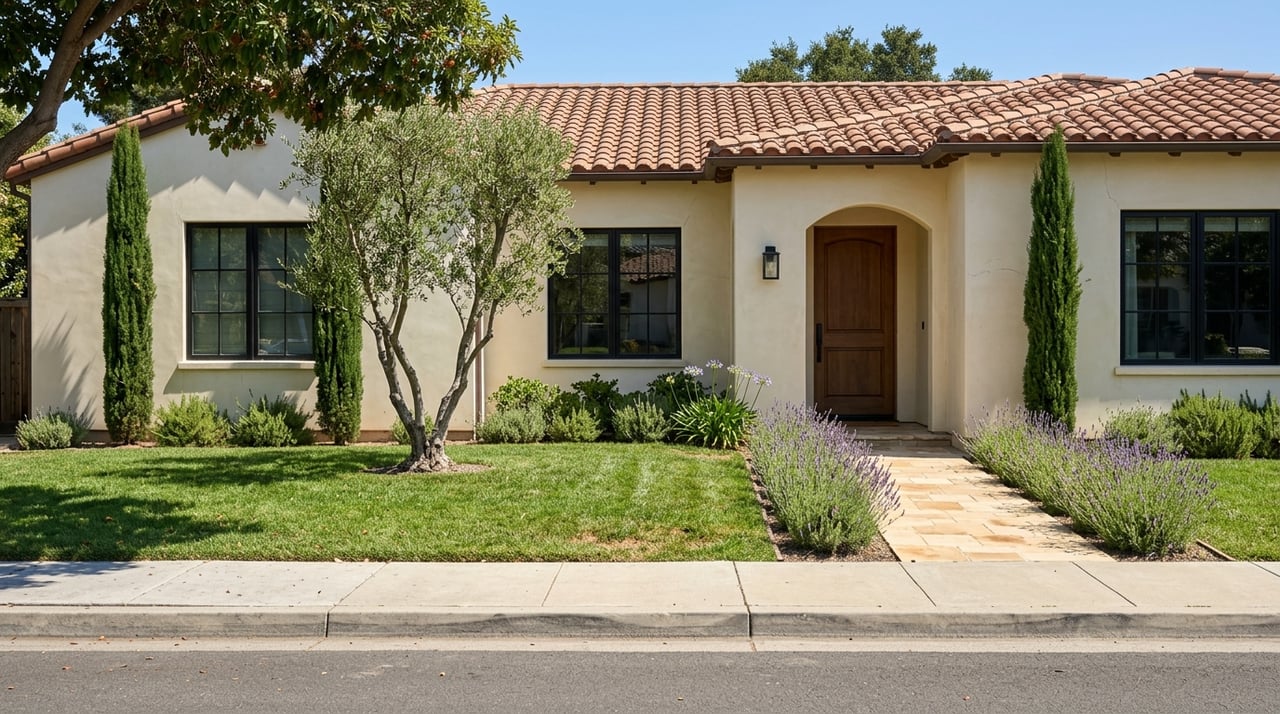
Cambrian vs Willow Glen: Which San Jose Area Fits You?
May 14, 2026
May 14, 2026
Trying to choose between Cambrian and Willow Glen? You are not alone. Both areas are popular with San Jose buyers, and both move fast, but they offer very different day-to-day experiences. If you are weighing character, commute, price point, and lifestyle, this guide will help you compare the two with a clear framework so you can make a smart move with confidence. Let’s dive in.
Cambrian and Willow Glen are both established San Jose areas, but they feel different the moment you drive through them. Your best fit often comes down to what matters most in your daily routine, not just what looks good in a listing.
At a high level, Cambrian tends to offer a more suburban, postwar residential feel, while Willow Glen leans more historic and walkable with a stronger main-street identity. That difference shapes everything from the housing stock to the way you spend weekends.
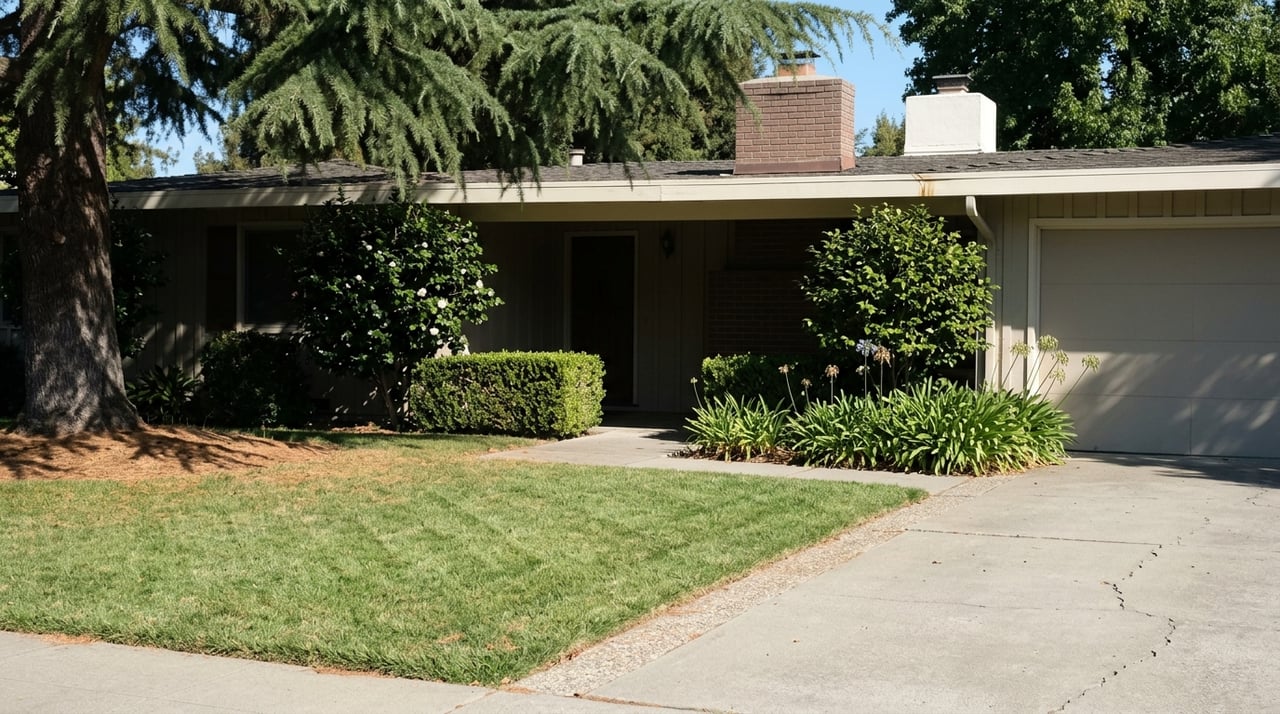
Cambrian is best understood as a mostly residential part of southwestern San Jose. City records tied to the area’s development show tract housing that began marketing in 1949, with early sections built around single-family residential lots.
That history still shows up today. Much of Cambrian’s identity comes from detached mid-century homes on residential streets, with commercial activity clustered more around key corridors than around a traditional downtown.
If you want a neighborhood where home life is the center of the experience, Cambrian may feel like a strong fit. The area’s commercial activity is concentrated around the Union and Camden corridor, especially near Cambrian Park Plaza.
City planning documents describe Cambrian Park Plaza as an 18.13-acre shopping center with one-story commercial buildings and surface parking. The city’s current planning also shows a mixed-use redevelopment vision for the site that includes retail and restaurant space, housing, and publicly accessible open space.
For many buyers, that means Cambrian offers practical convenience. You get a residential setting, nearby services, and shopping anchored along a corridor rather than a central downtown district.
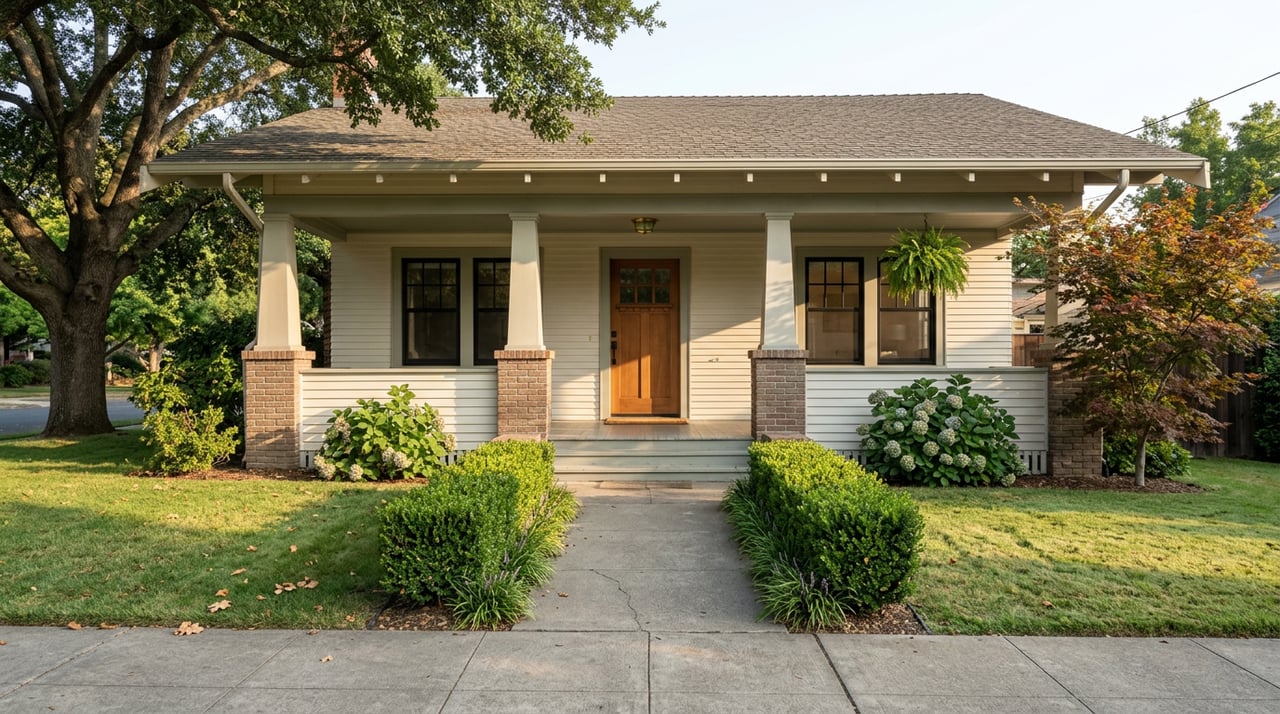
Willow Glen has an older and more layered development pattern. City documentation describes parts of North Willow Glen as mostly small-lot residential properties developed in the first half of the 20th century, while areas like Palm Haven include homes from the 1910s, 1930s, and 1940s.
In practical terms, Willow Glen often appeals to buyers who want more architectural variety and a finer-grained street layout. It tends to feel more rooted in historic residential development, with period character that is harder to replicate in later-built neighborhoods.
Willow Glen’s commercial identity is centered around Lincoln Avenue. The City of San Jose describes Lincoln Avenue as a downtown business district with a small-town feel, and the city notes that the business improvement district has supported sidewalk cleanliness, planters, banners, murals, and LED lighting.
That gives Willow Glen a different rhythm than Cambrian. Instead of a corridor-based shopping pattern, you get more of a main-street environment with a defined pedestrian core.
The area also includes a community center on Lincoln Avenue, and the western alignment of the Three Creeks Trail runs within Willow Glen. That trail network connects to the Los Gatos Creek Trail, Guadalupe River Trail, Highway 87 Bikeway, and Coyote Creek Trail, which adds another layer to everyday lifestyle and recreation.
One of the clearest differences between Cambrian and Willow Glen is the built environment. If you are deciding based on how a neighborhood feels when you walk or drive through it, this matters.
Neither choice is better across the board. It depends on whether you value suburban ease and access or historic texture and a stronger central district.
If price and competition are part of your decision, both areas are active and competitive, but current numbers show some separation.
According to Redfin neighborhood data from March 2026, Cambrian had a median sale price of $2,225,000, homes were selling in about 8 days, and the average sale-to-list ratio was 108.3%. Willow Glen showed a median sale price of $1,867,500, homes selling in about 10 days, and a sale-to-list ratio of 105.2%.
That suggests both markets are moving quickly, but Cambrian currently reads as the slightly pricier and slightly hotter market. For buyers, that can affect budget planning and offer strategy. For sellers, it can shape pricing and prep decisions.
You may also see Cambrian Park-specific data showing a median price around $3.0 million in a recent month. That figure came from only two closed sales, so it should be treated as a thin-sample signal rather than a stable pricing benchmark.
When you are making a real decision, neighborhood-level headline numbers are helpful, but they should be backed up by property-specific analysis. In fast-moving Silicon Valley markets, execution and pricing discipline matter just as much as the zip code.
Your commute pattern can quickly make one area feel much more practical than the other. This is where Cambrian and Willow Glen begin to separate in a meaningful way.
Cambrian is generally the more freeway-oriented option. Current area data points to easy access to Highways 85, 87, and 17, which can be a major plus if you drive regularly across Silicon Valley.
Transit is available, but it supports the area’s car-first pattern more than it defines it. VTA Route 62 serves the Cambrian Park Plaza and Bascom corridor, including connections toward Bascom Station and the Pruneyard area.
Willow Glen is often the better fit if you want stronger access to downtown transit and rail connections. VTA Route 64A serves several Lincoln-area stops and San Jose Diridon, while Route 56 serves Tamien Station and nearby stops.
Caltrain’s station system includes both Diridon and Tamien, and the city’s trail network also links Willow Glen to the Highway 87 Bikeway. For buyers who want more options beyond driving alone, Willow Glen has a clear edge.
A smart move is not just about the house. It is also about the pattern of your week.
If your life revolves around quick errands, freeway access, and a more residential home base, Cambrian may check more boxes. If you value an older neighborhood pattern, a stronger business district, community amenities, and trail connectivity, Willow Glen may feel more aligned.
Here is the shorthand I would use for many buyers comparing these two areas:
| Priority | Better Fit |
|---|---|
| Postwar detached-home feel | Cambrian |
| Historic character | Willow Glen |
| Main-street atmosphere | Willow Glen |
| Freeway reach | Cambrian |
| Transit and rail access | Willow Glen |
| Slightly higher current median price point | Cambrian |
| Stronger pedestrian core | Willow Glen |
The simplest summary is this: Cambrian offers suburban convenience and freeway reach. Willow Glen offers historic character and a stronger pedestrian core.
If you are still torn, focus on the factors that will affect you every single week. Ask yourself where you want to spend your time, how you want to commute, what kind of housing stock you are drawn to, and how competitive your budget feels in each area.
It also helps to compare not just neighborhoods, but specific pockets within them. Two homes with similar square footage can deliver a very different experience depending on street pattern, nearby amenities, and access points.
In a market this competitive, you want more than broad advice. You want a strategy that matches your price range, your timing, and the way you actually plan to live.
If you are deciding between Cambrian and Willow Glen, a local, numbers-driven approach can save you time and protect your money. If you want help comparing specific homes, blocks, or pricing strategy, connect with Aaron Derbacher for clear guidance tailored to your move.
Stay up to date on the latest real estate trends.
Aaron brings a breath of fresh air to an often-chaotic California Real Estate process. He is committed to going the extra mile for every client during every transaction, something he sees as the most important fiduciary duty for any real estate professional.
16780 LARK AVE FRNT LOS GATOS CA 95032