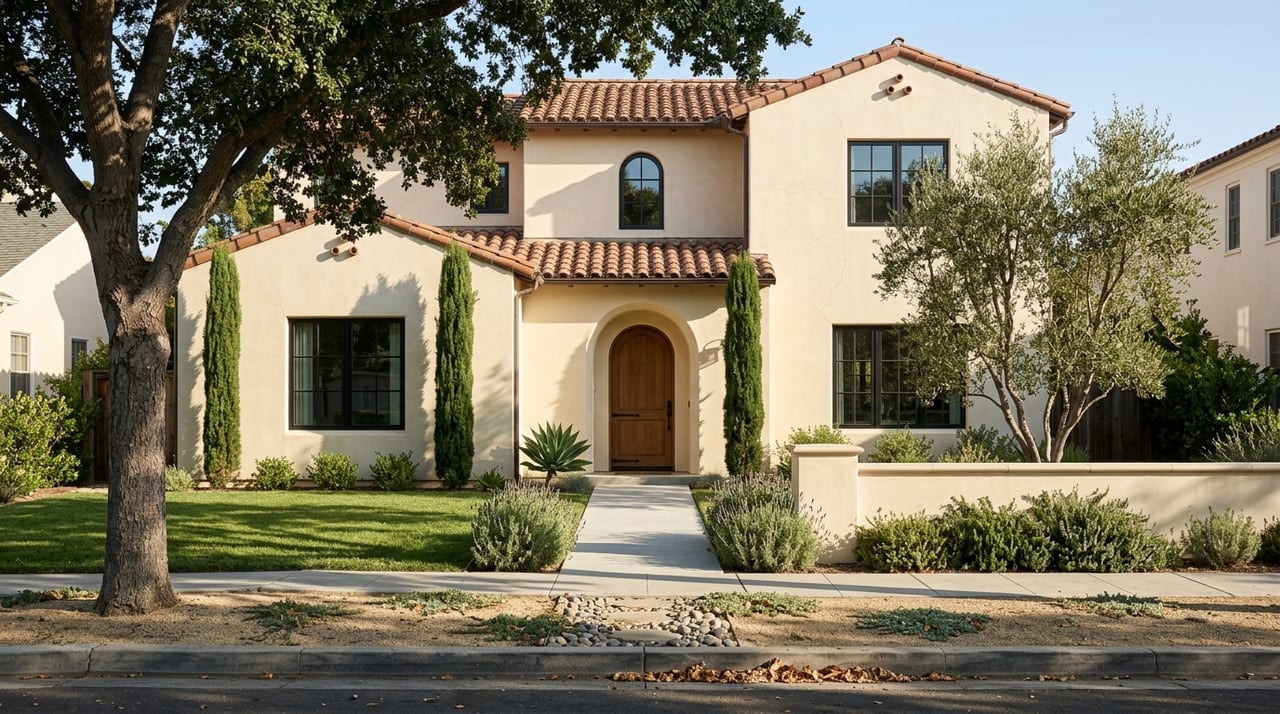
Sunnyvale Neighborhood Lifestyle in Quiet Areas
April 23, 2026
April 23, 2026
If you are searching for a calm place to live in Silicon Valley, Sunnyvale often comes up for good reason. You may want a neighborhood that feels more residential day to day, while still keeping parks, commuting options, and everyday conveniences within reach. The good news is that Sunnyvale offers that balance in many parts of the city. Let’s dive in.
When people talk about “quiet neighborhoods” in Sunnyvale, they usually mean lower-density residential streets, less through-traffic, and easy access to parks and daily essentials. Sunnyvale is a large South Bay city with 156,792 residents and 60,293 households, so it is not a sleepy small town. Still, it remains fairly suburban in character, according to U.S. Census QuickFacts for Sunnyvale.
That suburban feel comes from the city’s housing pattern and neighborhood layout. Sunnyvale’s Consolidated Plan says about 36% of homes are single-family detached, while 24% are in larger multifamily buildings with 20 or more units. In practical terms, that means your daily experience can vary quite a bit depending on which part of the city you choose.
The quietest-feeling parts of Sunnyvale are generally the more residential pockets farther from Downtown and the city’s major transit corridors. That is not an official ranking from the city. It is a practical inference based on Sunnyvale’s land-use patterns, transportation layout, and housing mix.
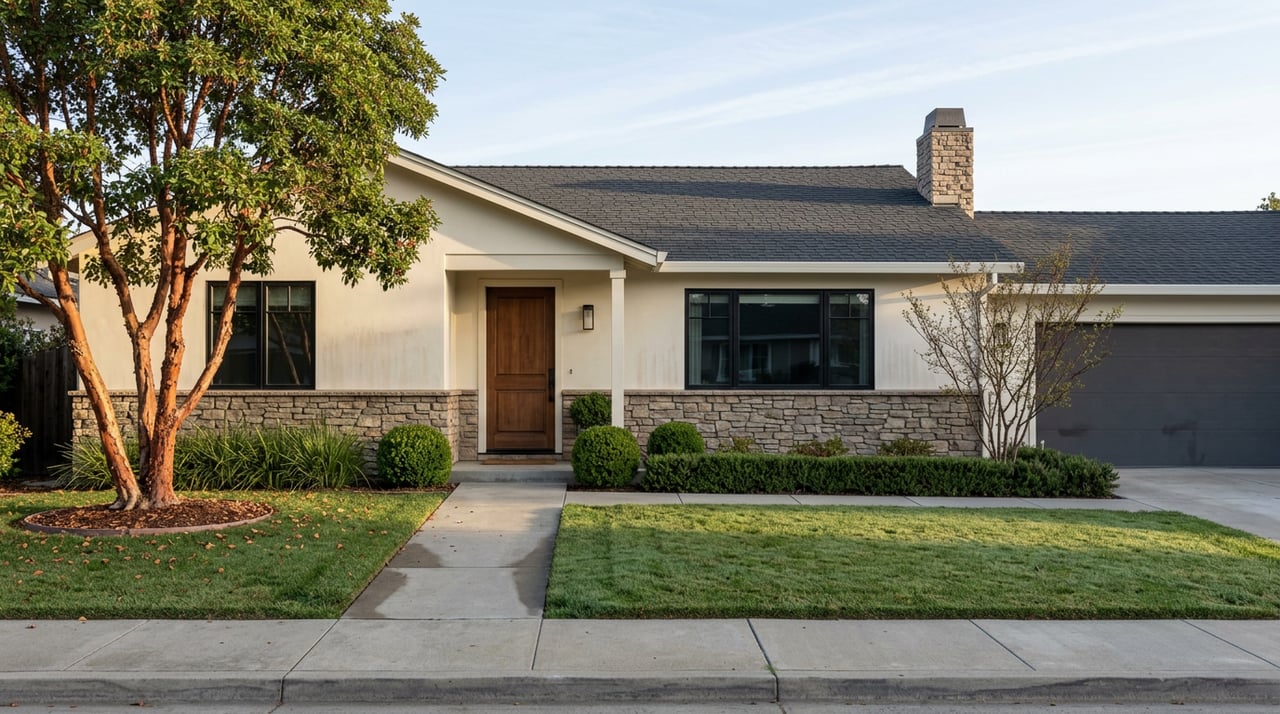
If you prefer a calmer setting, you will likely want to focus on streets with more single-family homes, mature landscaping, and less commercial activity nearby. Areas closer to busier mixed-use zones, train access points, and Murphy Avenue tend to feel more active throughout the day and evening.
In Sunnyvale, the feel of a neighborhood often changes block by block. A street lined with detached homes and limited cut-through traffic may feel noticeably quieter than a location near a major corridor or retail cluster.
The city also supports an active neighborhood network through neighborhood associations, block-party permits, and neighborhood grants. That does not guarantee a quieter street, but it does suggest an organized, neighborhood-level civic culture that can add to everyday stability and connection.
Sunnyvale’s housing stock is also more established than many buyers expect. The city reports that about 70% of homes were built in 1979 or earlier, which helps explain why many neighborhoods have mature trees, settled streetscapes, and a more established residential feel.
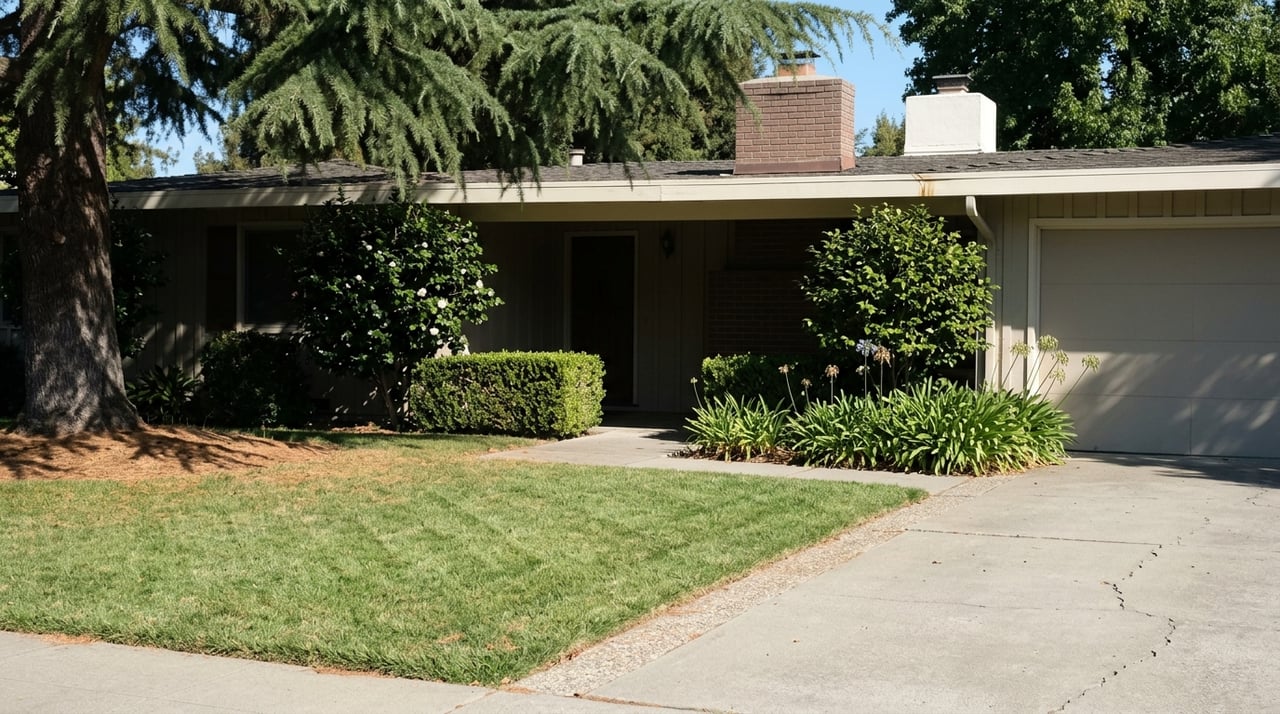
One example is the Heritage District, which the city describes as Sunnyvale’s oldest residential area. It includes 69 historic homes or streetscapes and is known for modest single-story bungalows from the 1930s through the 1950s, along with some condos. If you like older neighborhood character, this part of Sunnyvale offers a different feel than newer mixed-use areas.
A quiet neighborhood is not just about lower noise levels. It is also about how easy your daily routine feels once you live there. In Sunnyvale, that often comes down to parks, trails, local gathering places, and how quickly you can get where you need to go.
For many buyers, the appeal is simple: you can live on a more residential street and still stay connected to the rest of Silicon Valley. That balance is one of Sunnyvale’s strongest lifestyle advantages.
Sunnyvale has a strong network of neighborhood parks and open space. The city says its park system includes 772 acres of parks and open space, with trails that connect parks, schools, creeks, neighboring communities, and segments of the Bay Trail.
That matters in day-to-day life. Easy park access can make it simpler to go for a walk, bike ride, or quick outdoor break without driving across town. In neighborhoods where those options are close by, the overall lifestyle often feels more relaxed and livable.
Another part of Sunnyvale’s daily-life appeal is the Sunnyvale Community Center. The city describes it as a recreation campus with performing and creative arts centers, indoor sports and recreation buildings, a senior center, and a historical museum around a pond and fruit orchards.
For residents, places like this create a strong sense of local rhythm. Instead of relying only on retail destinations, you have a civic and recreational hub that supports regular activities close to home.
Sunnyvale is also investing in trail and bike connections that support more comfortable daily movement. The city’s public planning around the East Channel Trail envisions a nearly 6-mile bike-and-walk corridor linking Bay Trail to Homestead Road, while connecting parks, schools, the Community Center, shopping centers, and businesses.
The city also promotes alternative transportation and publishes bike routes designed to help cyclists reach neighborhoods and local destinations on mostly lower-traffic streets. If you value a neighborhood where short trips feel manageable without always using your car, that can make a real difference.
One of Sunnyvale’s advantages is that you do not have to live in the busiest area to enjoy it. Downtown Sunnyvale and Murphy Avenue give residents access to dining, entertainment, and regular activity, but many people prefer to visit those areas rather than live directly in the middle of them.
That setup works well if you want choice. You can enjoy a quieter residential setting most days, then head into more active parts of the city when you want restaurants, cafes, or events.
The city identifies Downtown Sunnyvale as its mixed-use core, and Murphy Avenue is a well-known dining and entertainment destination. The city also notes that the Sunnyvale Farmers’ Market operates year-round on Murphy Avenue.
Caltrain’s Sunnyvale destination page highlights nearby local spots including Coffee & More Café and Bean Scene Café. That makes the downtown area a convenient social hub, even if your ideal home base is on a more residential street elsewhere in the city.
A neighborhood can feel calm without feeling disconnected. That is especially important in Silicon Valley, where commute quality often shapes your daily routine as much as the home itself.
Sunnyvale performs well here. According to U.S. Census QuickFacts travel data, the city’s mean travel time to work is 23.0 minutes, which is relatively short by Bay Area standards.
Sunnyvale has direct rail access through Caltrain, and VTA Route 53 connects Sunnyvale Transit Center and Santa Clara Transit Center. For some residents, that means you can enjoy a residential neighborhood feel without giving up practical regional access.
There are also localized mobility options. In northwest Sunnyvale, the city offers Peery Park Rides, a free weekday on-demand shuttle that runs from 7 a.m. to 7 p.m. within its service area. Details like that can make a neighborhood more functional for everyday life.
If you are considering a move to Sunnyvale, it helps to think beyond the city name and focus on the specific daily experience you want. Sunnyvale is not one-note. It includes quieter suburban-style pockets, historic residential areas, transit-linked mixed-use zones, and a broad range of housing types.
It is also a high-cost market. Census data shows owner-occupied housing makes up 43.8% of units, the median owner-occupied home value is $1,801,800, and median gross rent is $3,039. That means your search should balance location, home type, commute goals, and budget from the start.
As you narrow your options, it helps to evaluate each area based on how you actually live. Here are a few practical things to look at:
The right fit usually comes from matching the neighborhood pattern to your routine, not just choosing the most popular zip code or closest commute shortcut.
For many buyers, yes. Based on the city’s housing patterns, established residential areas, strong parks system, and practical transportation options, Sunnyvale can offer a calm day-to-day lifestyle while staying connected to the larger Silicon Valley job and transit network.
The key is choosing carefully within the city. If you want quieter daily living, lower-density residential areas will usually feel more comfortable than the downtown core or other busier mixed-use zones. If you want help sorting through Sunnyvale’s different neighborhood patterns and finding the right fit for your goals, Aaron Derbacher can help you evaluate the options with a clear, local, data-driven approach.
Stay up to date on the latest real estate trends.
Aaron brings a breath of fresh air to an often-chaotic California Real Estate process. He is committed to going the extra mile for every client during every transaction, something he sees as the most important fiduciary duty for any real estate professional.
16780 LARK AVE FRNT LOS GATOS CA 95032