Fremont CA Living Guide: Everyday Life in the City
April 9, 2026
April 9, 2026
Wondering what it is really like to live in Fremont? If you are trying to balance space, commute options, daily convenience, and access to the rest of the Bay Area, Fremont tends to come up for good reason. It offers a mix of suburban neighborhoods, transit-connected districts, major shopping, and a strong parks system, all within one large East Bay city. Here is a practical look at what daily life in Fremont can feel like and what you should know before making a move.
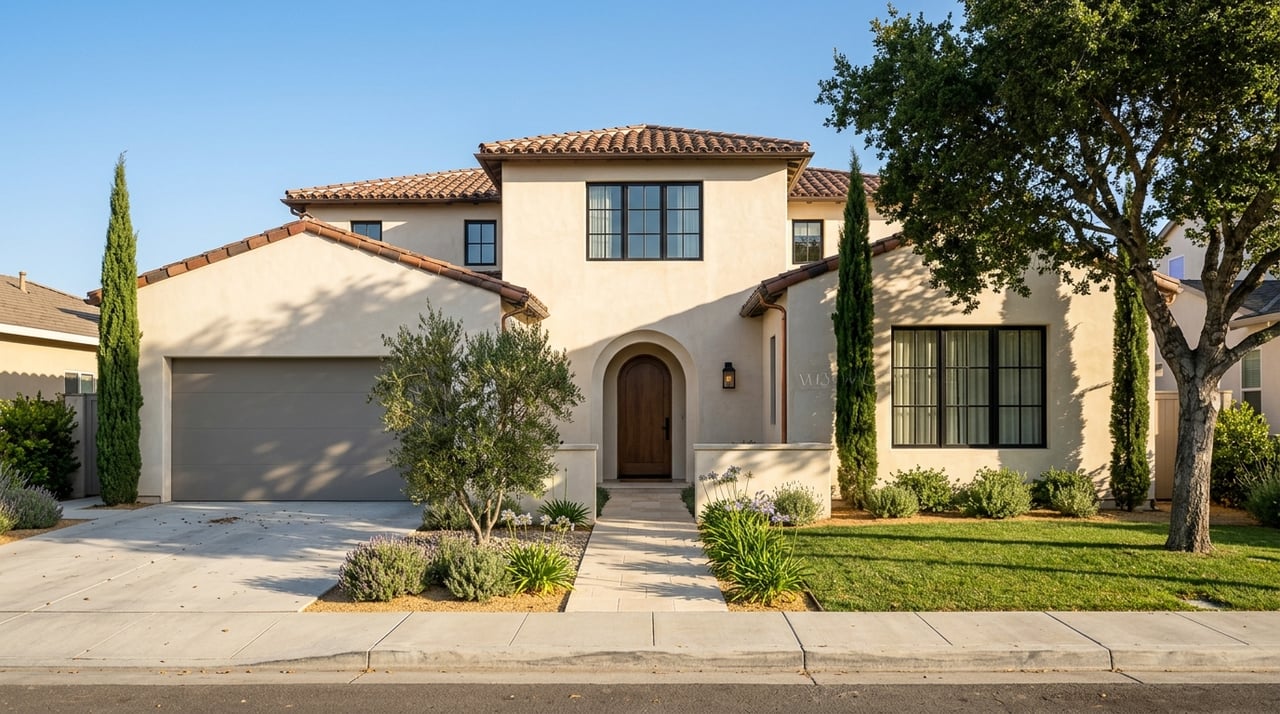
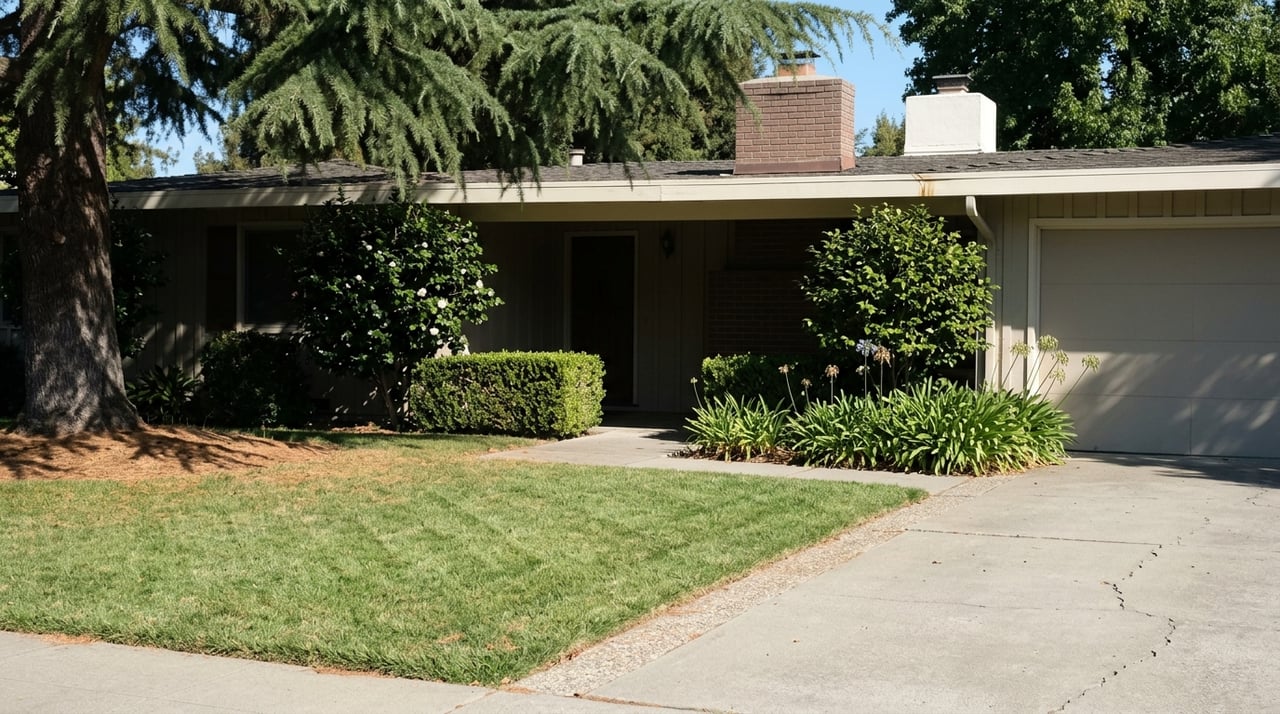
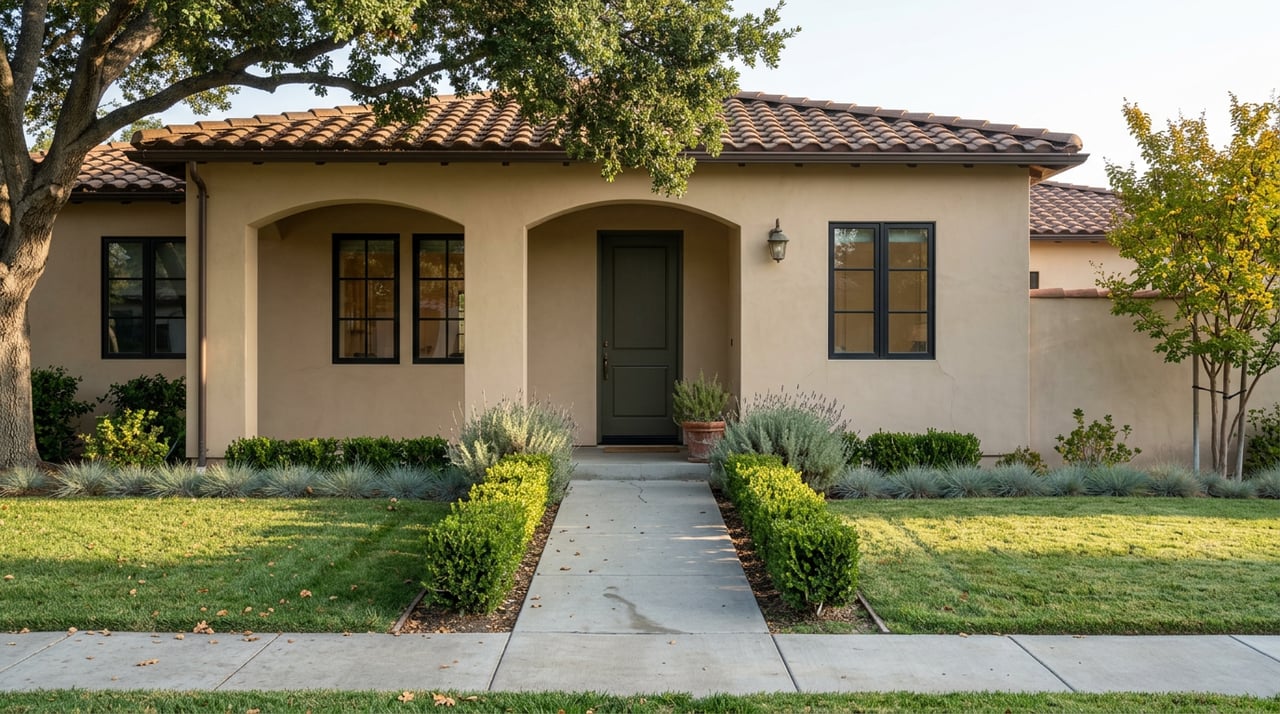
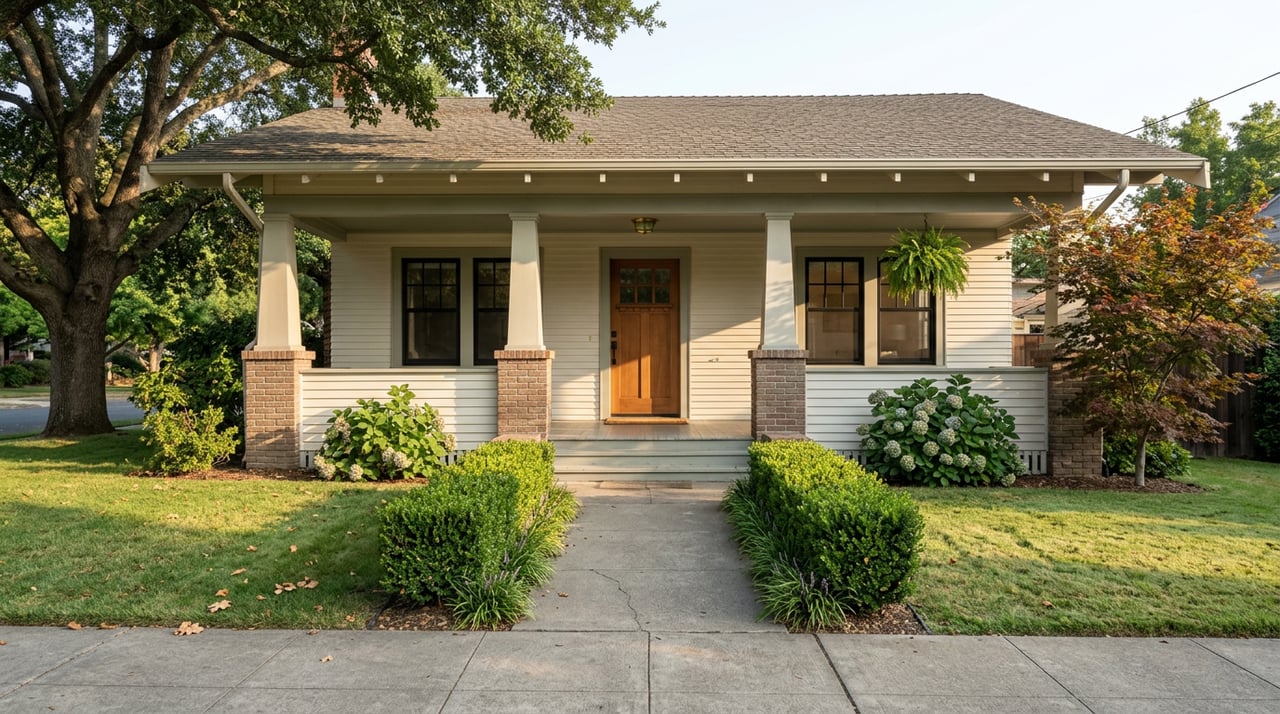
One of the biggest things to understand about Fremont is that it does not feel the same everywhere. According to the city's housing framework, many low-density areas are made up of single-family detached homes, while other parts of the city include townhomes, condos, apartments, and mixed-use residential development. That gives you more than one way to live here depending on your goals and budget.
If you want a more classic suburban feel, many outer neighborhoods fit that pattern. If you want easier access to transit and a more compact setting, Downtown Fremont and Warm Springs offer a different experience. The city describes Downtown Fremont as a growing center near BART with added housing and commercial space, while Warm Springs is planned as a mixed-use, transit-oriented innovation district with future residential growth, according to the city's local economy overview.
Fremont is a large city, but it is built for everyday practicality. The city says it is home to about 500 eateries and more than 3,600 small businesses, which helps make errands, dining, and services feel more complete than in many suburban markets. For many residents, that means fewer trips out of town for basics and more options close to home.
The city also has a strong regional position. Fremont has access to I-680 and I-880, and its transit network includes BART, ACE, Amtrak Capitol Corridor, AC Transit, and VTA, according to the city profile. If your routine includes commuting or frequent travel across the Bay Area, that range of options can be a major plus.
Fremont works especially well if you are comfortable mixing driving with public transit. The city is not purely walkable from end to end, but it does give you choices. That matters if your work, family, or social life regularly takes you toward Silicon Valley, the East Bay, or beyond.
Fremont Station and Warm Springs/South Fremont Station are both served by BART and connect with AC Transit, according to BART station information. Census QuickFacts lists Fremont's mean travel time to work at 30.3 minutes, though your actual commute will vary based on destination, schedule, and whether you drive, take BART, or combine modes. In practical terms, Fremont tends to suit people who value Bay Area access more than a fully urban, car-free lifestyle.
If you are considering Fremont, housing cost is part of the story. Census QuickFacts shows a median owner-occupied home value of $1,403,800 and a 60.8% owner-occupied housing rate. That points to a city where homeownership is common, but affordability can be a challenge.
The same data also shows an estimated 2024 population of 228,192 and a median household income of $181,506, according to U.S. Census QuickFacts. In plain terms, Fremont is an established, higher-cost market where buyers often need a clear strategy before jumping in. If you are weighing Fremont against South Bay locations, it can help to compare not just price, but also commute patterns, housing type, and how you want your day-to-day life to feel.
Although Fremont is one city, its districts each bring a different rhythm. The city highlights Centerville, Niles, Irvington, Warm Springs, and Mission San Jose as areas that still hold their original charm and personality, with local food, music, murals, and unique shops shaping the experience. That means your lifestyle can vary meaningfully depending on where you land.
This is important if you are home shopping. Two homes with similar square footage can offer very different routines depending on their location within the city. Some areas may feel quieter and more residential, while others place you closer to transit, shopping, or community events.
For many buyers, Fremont's outdoor access is one of its strongest everyday advantages. The city says Fremont has 1,224 acres of parks, anchored by 450-plus-acre Central Park. That includes Lake Elizabeth, a two-mile trail, playgrounds, tennis courts, soccer fields, pickleball courts, a golf course, a dog park, and Aqua Adventure Waterpark, according to the city's demographics and profile page.
Beyond Central Park, the city points to nearby regional destinations like Mission Peak Regional Preserve, Alameda Creek Trail, Coyote Hills Regional Park, Quarry Lakes, and Ardenwood Historic Farm. If you like having outdoor options built into your week, Fremont gives you more than just a neighborhood playground. It supports walks, hikes, bike rides, family outings, and casual recreation without needing to travel far.
Another part of living in Fremont is how easy it can be to handle errands and retail in one place. Downtown Fremont is close to Fremont BART and major shopping areas like Fremont Hub, Gateway Plaza, and Fremont Plaza. The city also notes that Whole Foods, Trader Joe's, and Mega Mart are within walking distance in the downtown area.
For larger-scale shopping and dining, Pacific Commons stands out. The city describes it as a 1.1 million-square-foot destination with more than 55 retailers and restaurants. That kind of concentration makes Fremont attractive if convenience matters and you want options nearby instead of spread across multiple cities.
Fremont is not just about houses, shopping centers, and commute routes. The city highlights more than 60 public art installations, around 90 boxART murals, and four museums: the Museum of Local History, the Mission Museum, the Niles Depot Museum, and the Niles Essanay Silent Film Museum, according to the city's attractions page. These details shape the feel of the city in ways that are easy to overlook from a map alone.
The Downtown Event Center and Plaza has hosted more than 600 events in its first three years, and farmers markets are available in Irvington, Niles, and near Kaiser. That gives Fremont a more active community rhythm than some buyers expect. For you, that can mean more built-in weekend options and more reasons to stay local.
Census data shows Fremont is 51.1% foreign-born and 63.8% Asian alone. Those figures reflect a diverse population and help explain the broad dining, retail, and cultural mix found across the city. For many people, that diversity is part of what makes Fremont feel dynamic and well-rounded.
It also supports a wider range of everyday experiences, from food choices to community events to local businesses. When you combine that with the city's size and economic base, Fremont often feels more complete than a smaller suburb that depends heavily on nearby cities for amenities.
Fremont tends to appeal to buyers who want room to spread out without giving up Bay Area connectivity. It can be a strong fit if you value a suburban residential setting, but still want BART access, major shopping, broad dining choices, and a meaningful parks network. It can also make sense if your household needs flexibility for commuting in different directions.
That said, Fremont is not one-size-fits-all. If you want a highly walkable, dense urban environment, some parts of the city may feel too car-oriented. If you want more house, more parks, and a city that combines neighborhood character with regional access, Fremont may check a lot of boxes.
If you are comparing Fremont with Silicon Valley or other East Bay options, the right move usually comes down to your budget, commute, and lifestyle priorities. If you want help thinking through those tradeoffs in a practical, numbers-minded way, connect with Aaron Derbacher. He brings a strategic, fiduciary approach to helping buyers and sellers make smart moves in competitive Bay Area markets.
Stay up to date on the latest real estate trends.
Aaron brings a breath of fresh air to an often-chaotic California Real Estate process. He is committed to going the extra mile for every client during every transaction, something he sees as the most important fiduciary duty for any real estate professional.
16780 LARK AVE FRNT LOS GATOS CA 95032