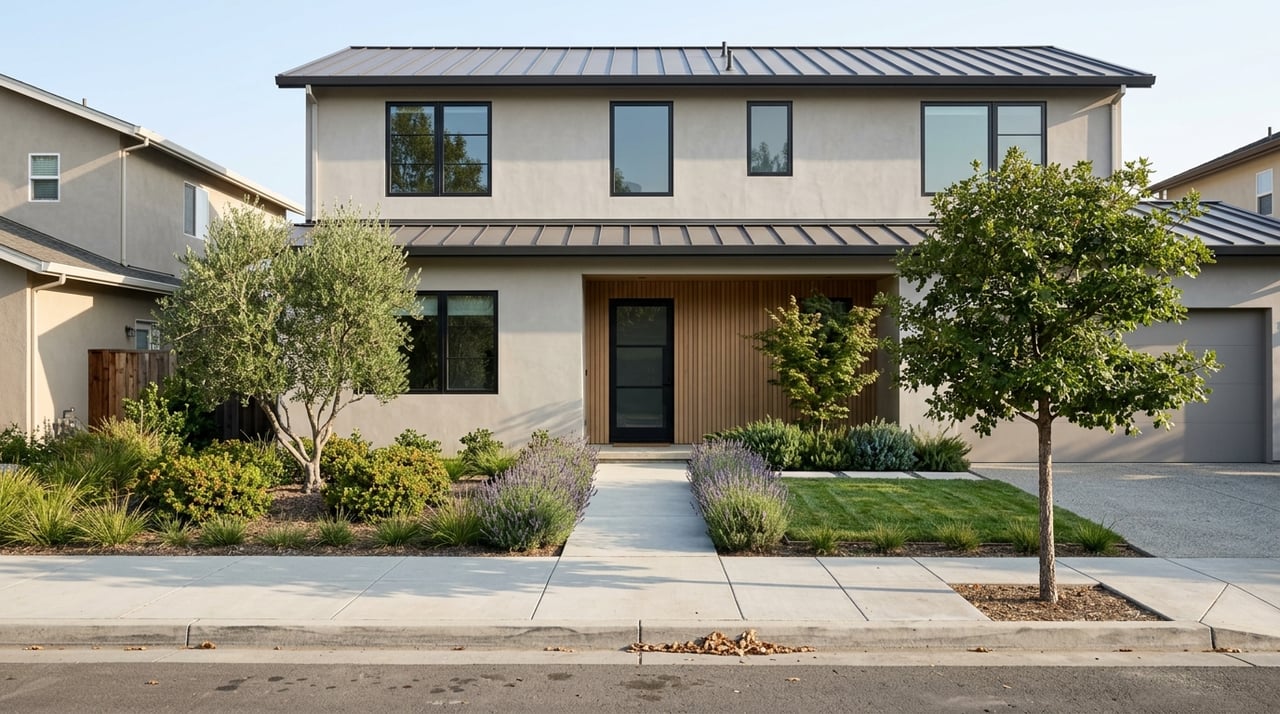
Exploring the Sunnyvale Downtown Lifestyle & Neighborhoods
April 16, 2026
April 16, 2026
Looking for a Sunnyvale neighborhood that gives you easy access to downtown without locking you into just one type of housing or lifestyle? That is what makes the area around Downtown Sunnyvale so interesting. You can find historic blocks, transitional residential streets, and newer mixed-use buildings all within a relatively compact part of the city. If you want to understand how these areas fit together before you buy or sell, this guide will walk you through the neighborhood patterns, daily lifestyle, and what to pay attention to as you explore. Let’s dive in.
Downtown Sunnyvale is a compact mixed-use center in the middle of a much larger Silicon Valley commute network. The city places downtown at about 150 acres, generally bounded by the Caltrain tracks, Carroll and Bayview, Olive and El Camino Real, and Charles Street. Key parts of the area include Historic Murphy Avenue, the Downtown Core, Plaza Del Sol, and Redwood Square, according to the City of Sunnyvale’s downtown development overview.
That matters because downtown is not just a shopping area. The city describes it as a pedestrian-friendly center that has evolved from a shopping mall format into a place where people live, work, and spend time. For buyers, that often means more housing variety and a more connected daily routine. For sellers, it helps explain why location near downtown can appeal to different types of buyers.
One of the most distinctive areas around downtown is the Heritage Housing District. This includes the 500 blocks of Taaffe Street, Frances Street, and Murphy Avenue, which sit right next to the downtown core. The city’s planning documents describe this area as preserving historic neighborhood character, while also noting that the Murphy Station Heritage Landmark District is the city’s only heritage commercial streetscape.
If you are drawn to older homes and established streets, this area offers a different feel than the newer downtown buildings. The Downtown Specific Plan materials describe it as a historic transition zone with a variety of architectural styles. They also note that preservation efforts helped Murphy Avenue become a commercially viable local and regional destination.
From a real estate perspective, this part of Sunnyvale can appeal to buyers who want to stay close to restaurants, transit, and events while still being near older residential blocks. It also creates a strong contrast with the more urban core, which is part of what gives this area its layered identity.
Just south and west of the commercial center, the neighborhood pattern shifts again. The South of Iowa district is described by the city as a transition area between the downtown core and heritage homes south of Olive Avenue. Housing in this district includes primarily single-family homes, duplexes, townhomes, and small businesses, along with some newer clustered housing.
The nearby Sunnyvale/Carroll district also blends residential and commercial uses. According to the city’s planning guidance, it includes low- and medium-density housing plus local-serving businesses, with some blocks planned for medium- to high-density multifamily and townhouse-style development. You can review that context in the Downtown Specific Plan document.
If you are exploring homes around downtown, these districts are worth a closer look because they often provide a middle ground. You may be near downtown activity and transit access without being in the most urban part of the area. That can be especially useful if you want some flexibility in housing type and street feel.
The Downtown Core is the most urban-feeling part of Sunnyvale near the station. This is where the city highlights a mix of office, retail, entertainment, and residential uses, especially in the Cityline and Town Center area. It is also where you can see the scale of more recent infill development.
For example, the city reports approval of a 12-story mixed-use project near Redwood Square with 479 dwelling units. That gives you a sense of how much the core has changed and continues to change. If your priority is a more walkable, mixed-use environment, this part of downtown may stand out most.
This is also the area where proximity can shape daily life in a very practical way. You may be able to walk to coffee, dinner, transit, and small errands more easily than in many other suburban parts of Silicon Valley. That convenience is a major part of the area’s appeal.
When people picture Downtown Sunnyvale, they often think of Murphy Avenue first. The city describes it as a popular dining and entertainment destination, and Caltrain notes that the Sunnyvale station opens directly onto the corridor. That setup creates a downtown routine where your commute, meals, and weekend plans can all happen within a small area.
Sunnyvale also has an active event calendar for a downtown of this size. The city says the historic downtown hosts frequent art festivals, concerts, and a year-round farmers’ market, while the Sunnyvale Farmers Market takes place on Murphy Avenue rain or shine. Caltrain’s downtown guide also points to independent cafes, a brewery, a bookstore, and a wine bar along the corridor.
For buyers, this can be a strong lifestyle advantage if you value activity and convenience. For sellers, it helps frame why homes near downtown can attract interest from people looking for a more connected, less car-dependent routine.
Downtown living is not only about shops and restaurants. The area also benefits from civic and recreational spaces that add breathing room to the neighborhood mix. Plaza Del Sol sits in the heart of downtown and includes picnic benches, a reservable concrete event area, a performance stage, and close access to Caltrain and VTA bus stops.
Nearby, Murphy Park and the Community Center expand the amenity base with playgrounds, recreation facilities, and historical interpretation. These spaces help balance the more urban parts of downtown with places to gather, walk, and spend time outdoors.
Sunnyvale’s public art program adds another layer to the experience. The city says it has more than 200 public art pieces and offers self-guided walking tours for Downtown and Murphy Park, along with the Community Center and Heritage District. If you enjoy exploring on foot, that can make the area feel more engaging day to day.
One of downtown Sunnyvale’s biggest strengths is regional connectivity. The Sunnyvale Transit Center connects to Caltrain and includes 439 parking spaces and 74 bicycle lockers. For many residents, that makes downtown especially attractive if you want options for commuting without relying only on a car.
The city also treats biking as an important part of the downtown street network. Planning documents identify designated routes along parts of Evelyn, Sunnyvale, Washington, Olive, Iowa, and Taaffe streets. The city is also advancing the Evelyn Avenue Multi-use Trail and Caltrain grade-separation projects at Mary and Sunnyvale avenues, which points to ongoing investment in safer bike and pedestrian access.
If your work or lifestyle depends on moving around the Peninsula efficiently, this location can offer practical advantages. It is one of the clearest reasons downtown-adjacent Sunnyvale tends to stand out in the broader Silicon Valley housing conversation.
If you are trying to narrow down where to focus, it helps to think in terms of tradeoffs rather than one "best" neighborhood. Around Downtown Sunnyvale, the main differences usually come down to housing style, street feel, and how close you want to be to the busiest parts of downtown.
| Area | General character | Typical appeal |
|---|---|---|
| Heritage-adjacent blocks | Older residential streets near downtown | Buyers who want historic character close to Murphy Avenue |
| South of Iowa | Transition area with single-family homes, duplexes, townhomes, and small businesses | Buyers seeking a residential feel near downtown access |
| Sunnyvale/Carroll | Mixed residential and commercial pattern | Buyers looking for a blend of housing types and local services |
| Downtown Core/Cityline | Most urban and mixed-use setting | Buyers prioritizing walkability, transit, and newer development |
The right fit depends on how you want to live on a daily basis. Some buyers care most about being steps from the station and restaurants. Others want downtown access but prefer a quieter residential block a little farther out.
If you are buying near Downtown Sunnyvale, this area rewards careful block-by-block evaluation. The shift from historic homes to transition zones to mixed-use core happens quickly, so two homes with the same ZIP code can offer very different experiences. It is worth looking closely at how each property connects to Murphy Avenue, transit, parks, and the surrounding street pattern.
If you are selling, your home’s position within that neighborhood mix can shape how it should be marketed. A heritage-adjacent property, a townhome near the core, and a newer condo in a mixed-use area will not attract buyers for exactly the same reasons. Clear positioning matters, especially in a market where buyers compare walkability, housing style, and commute access very closely.
If you are weighing a move in Sunnyvale, working with someone who understands how these micro-locations differ can help you make a more confident decision. If you want strategic guidance on buying or selling near downtown, connect with Aaron Derbacher for local insight and a clear plan tailored to your goals.
Stay up to date on the latest real estate trends.
Aaron brings a breath of fresh air to an often-chaotic California Real Estate process. He is committed to going the extra mile for every client during every transaction, something he sees as the most important fiduciary duty for any real estate professional.
16780 LARK AVE FRNT LOS GATOS CA 95032