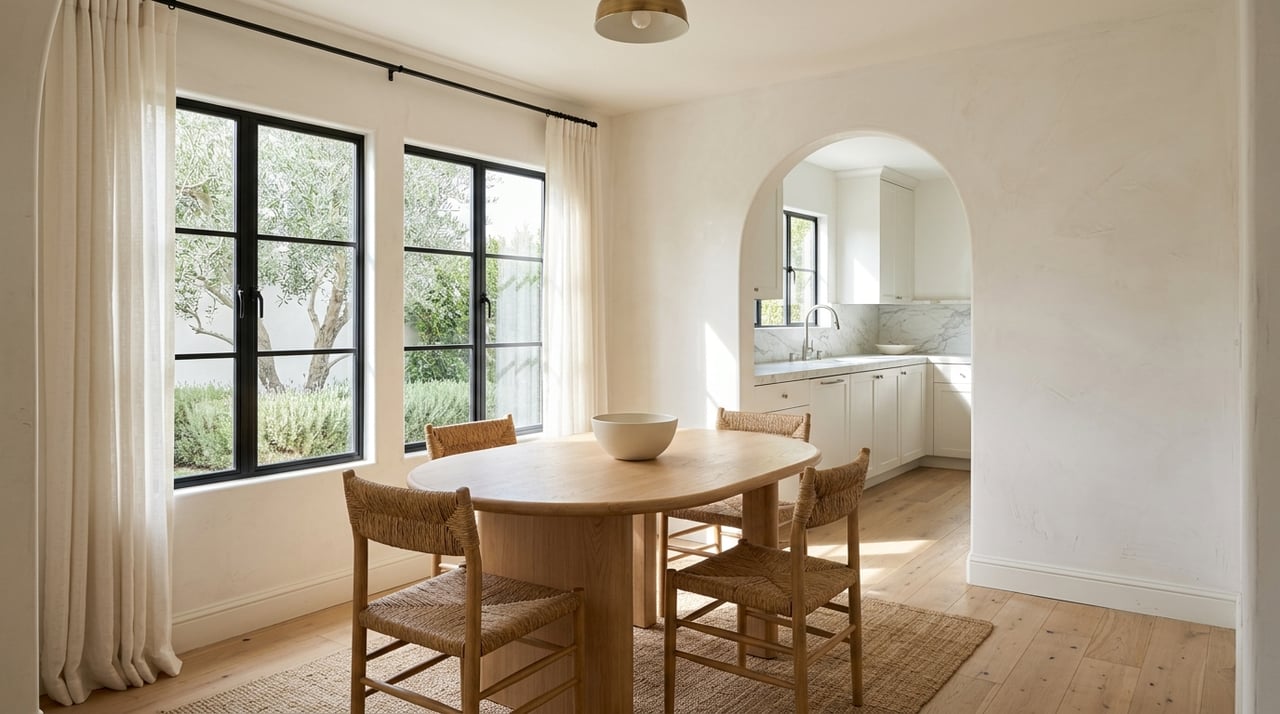
Preparing To Sell Your Home In Willow Glen
June 25, 2026
June 25, 2026
Thinking about selling in North Willow Glen? In a neighborhood where buyers notice architecture, curb appeal, and condition right away, small decisions can have a big effect on your result. If you want to protect your equity and avoid last-minute surprises, the best move is to prepare with a clear plan before your home hits the market. Let’s dive in.
North Willow Glen is best understood as part of San José, not the City of Santa Clara. The City of San José describes the North Willow Glen Conservation Area as a mostly small-lot residential area south of Interstate 280 between the Guadalupe River, Willow Street, and Bird Avenue, with homes developed mainly during the first half of the twentieth century.
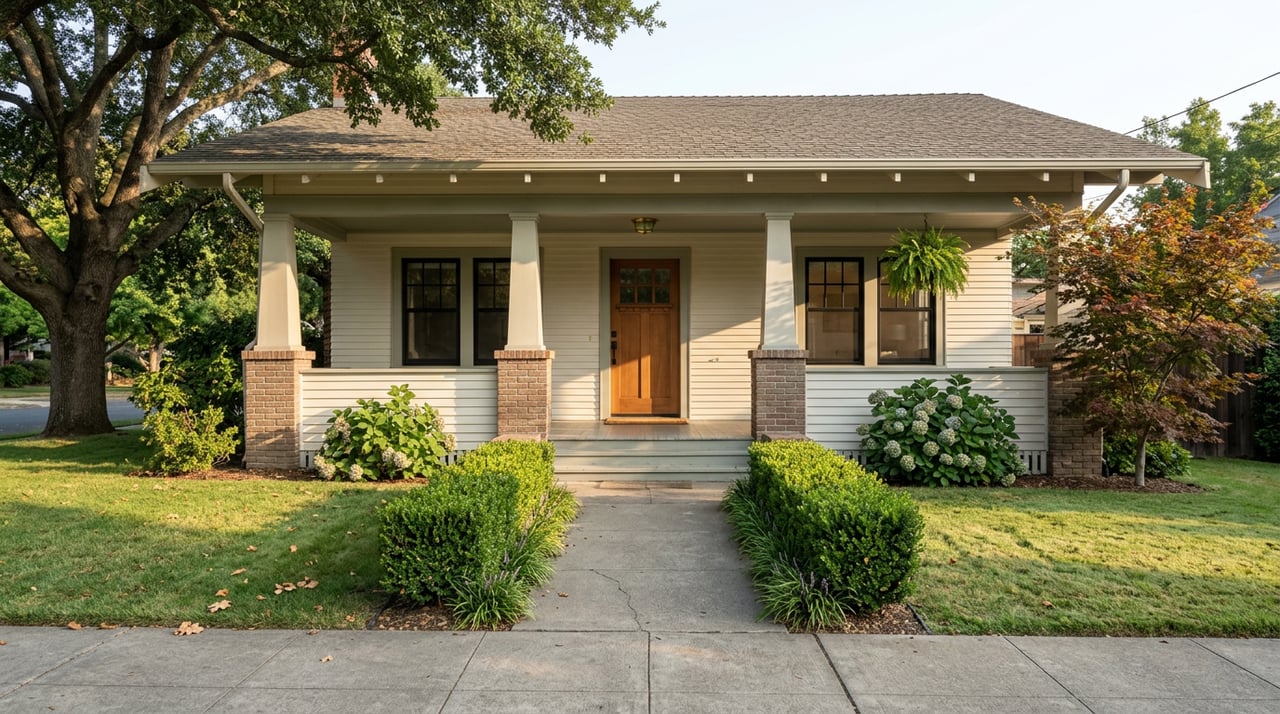
That context matters when you get ready to sell. Buyers are not just comparing square footage or bedroom count. They are also responding to the neighborhood’s strong sense of place, mature streets, and the character that comes with older homes in Willow Glen.
The broader Willow Glen area is known for tree-lined streets, historic homes, varied architecture, and Lincoln Avenue as a major business corridor. That means your home’s presentation should feel polished and well cared for, while still fitting the neighborhood around it.
North Willow Glen sits in a premium price range, but that does not mean any price will work. Recent market trackers place Willow Glen in the high-$1 million range, with median sale or list price figures generally running from about $1.66 million to $1.9 million depending on source and timing.
The pace is also relatively quick. Recent reports show homes selling in roughly 10 to 24 days, about four offers per home on one tracker, and a recent sale-to-list ratio near 102%.
The practical takeaway is simple: overpricing is risky. In this market, polished presentation and accurate pricing appear more important than testing the market with an aspirational list price.
In North Willow Glen, seller prep is usually strongest when it respects the home’s original feel. The City of San José notes that the area includes small houses with diverse period detailing, so restrained updates and in-kind repairs often fit better than aggressive modernization.
That does not mean doing nothing. It means focusing on the work that reduces buyer hesitation without stripping away the features that make the home feel like Willow Glen.
A smart prep plan often centers on three goals:
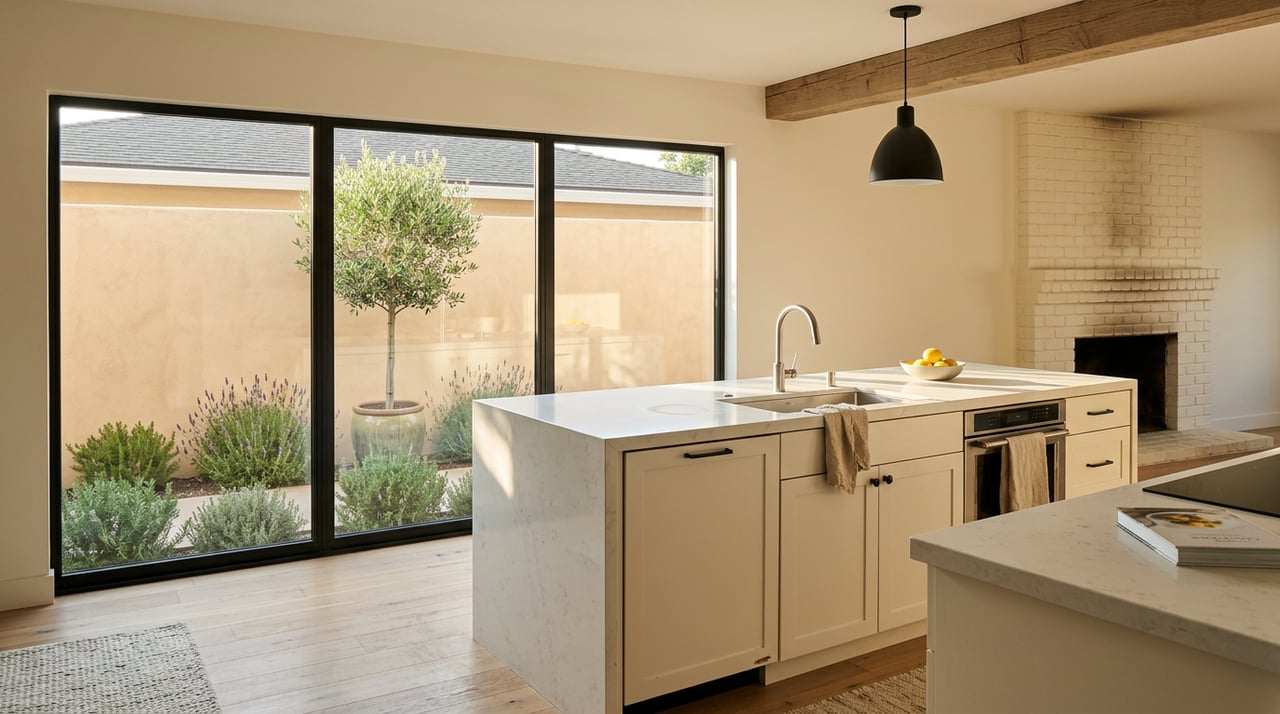
For many sellers, light interior work offers one of the best returns in both time and effort. San José’s permit guidance says cosmetic items such as painting, cabinet resurfacing, new flooring, and new countertops do not require a permit when there are no structural changes.
That makes selective updates especially practical before listing. If your home has bold paint colors, worn flooring, dated finishes, or tired cabinetry, a light refresh may help buyers focus on the home itself instead of its to-do list.
You do not need a full remodel to improve buyer response. Often, the most effective updates are the ones that make the home feel brighter, cleaner, and easier to understand during a showing.
Exterior work in North Willow Glen can become more complicated much faster than interior cosmetic work. In San José, replacing stucco or siding requires a building permit, though small repairs under 10 square feet do not.
If your property is historic, or if it sits in a conservation area or the Historic Resources Inventory, there may be added review requirements. Window replacement on a historic property requires Planning review and should match the original design as closely as possible, and reroof projects on historic properties require Planning clearance before a building permit is issued.
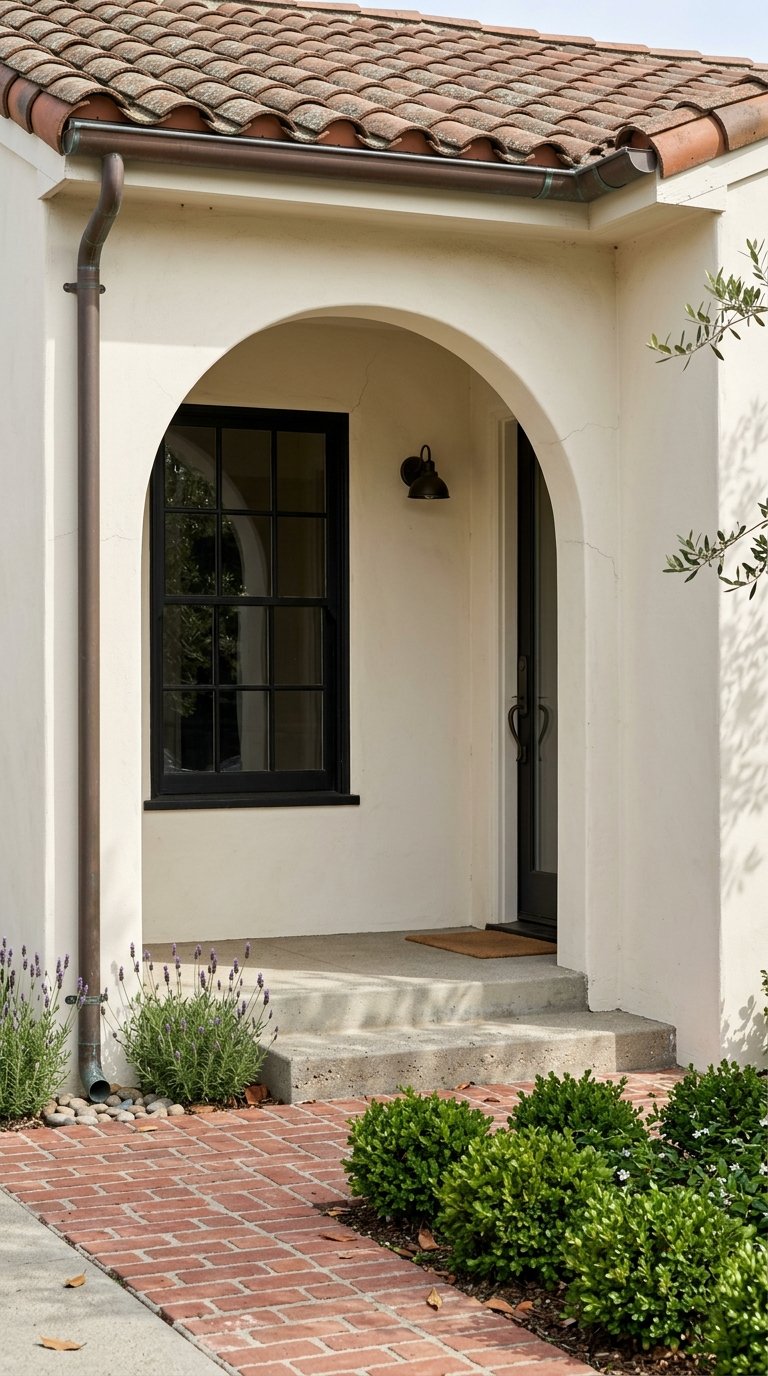
This is why a clean, repaired, well-kept exterior is often the safer strategy than a heavily reworked one. In North Willow Glen, curb appeal should support the neighborhood’s character, not fight against it.
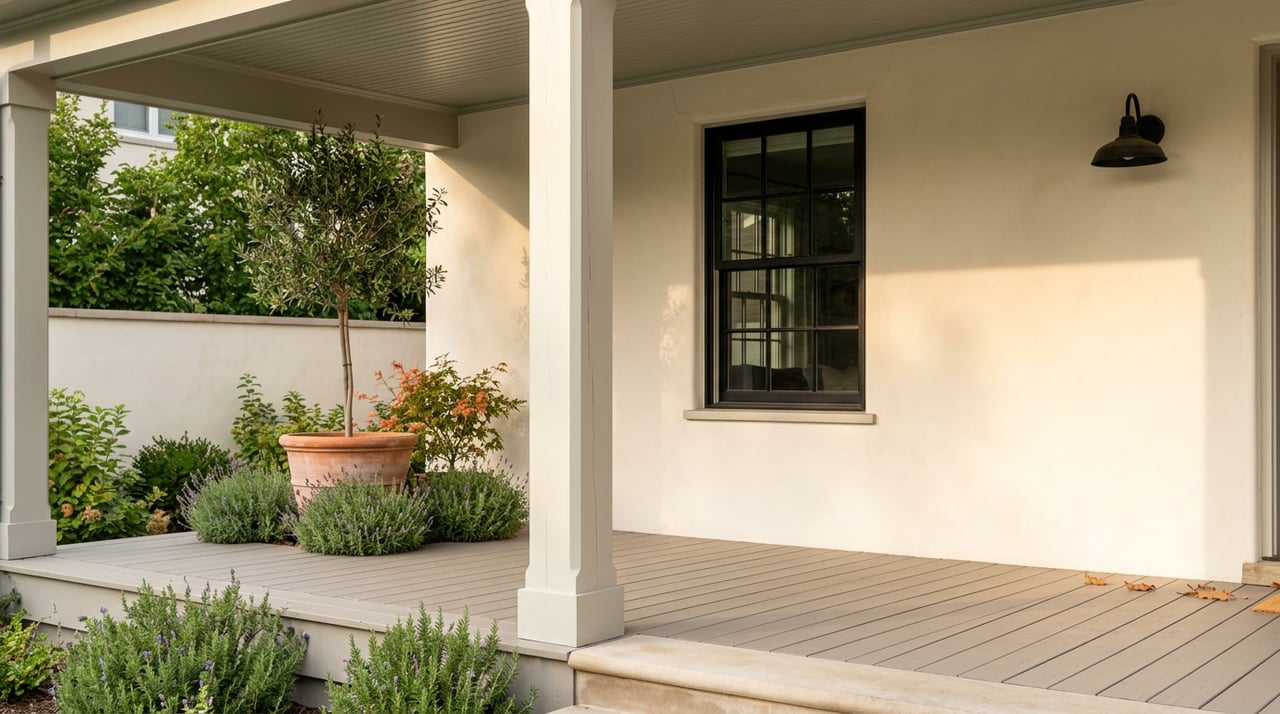
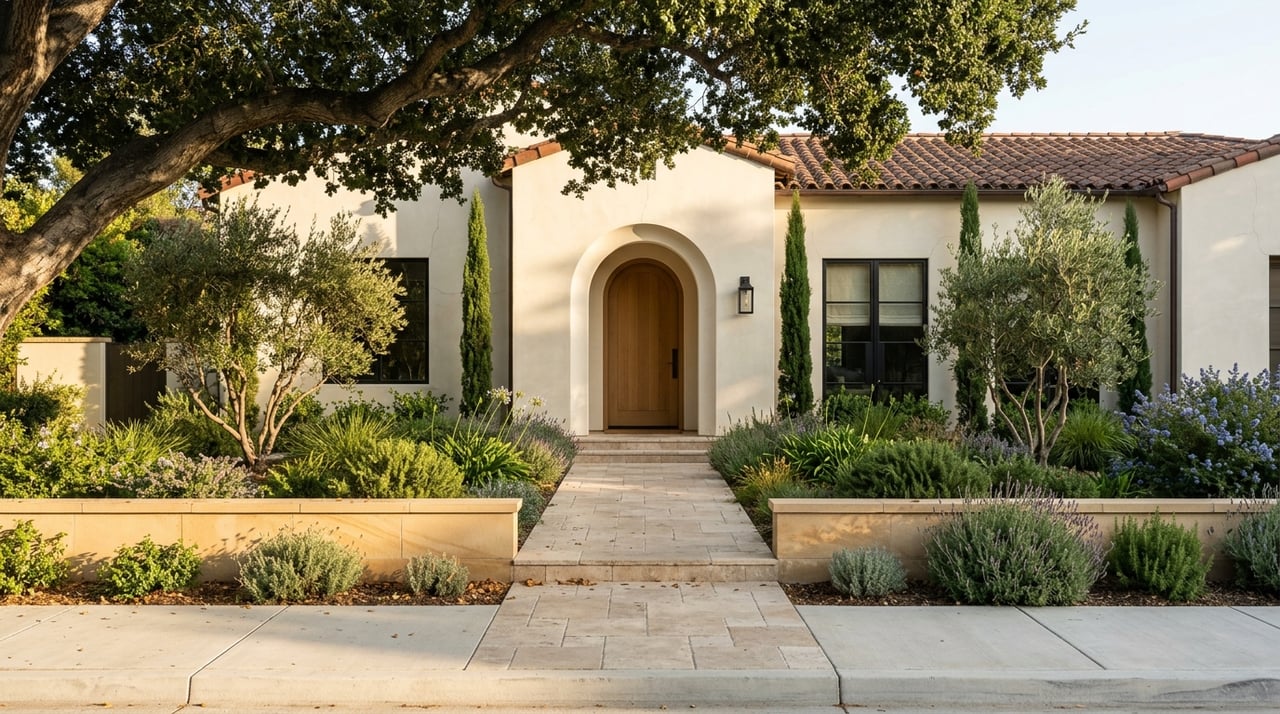
You do not need dramatic landscaping to make a strong first impression. In this neighborhood, curb appeal usually works best when it feels tidy, maintained, and consistent with the home’s style.
Before listing, focus on the basics buyers notice first:
That kind of prep aligns well with Willow Glen’s tree-lined and architecture-rich identity.
One of the biggest seller mistakes is waiting too long to organize disclosures. In California, residential sales are built around the Transfer Disclosure Statement, and the law makes clear that sellers must disclose required information on the statutory form.
Just as important, the law does not remove the broader duty to disclose facts that materially affect value or desirability. In plain terms, selling a home as-is does not eliminate your obligation to disclose known issues.
If you start this process early, you can answer buyer questions more clearly and reduce the odds of delays once you are in contract. It also helps you spot any items that may need explanation, documentation, or follow-up before launch.
Natural hazard disclosure is separate from the Transfer Disclosure Statement. California requires a Natural Hazard Disclosure Statement when a property is in certain mapped hazard areas, including special flood hazard areas, very high fire hazard severity zones, wildland fire areas, earthquake fault zones, and seismic hazard zones.
These statements are delivered as soon as practicable before transfer of title. The California Geological Survey also notes that hazard maps are not definitive site-specific proof, which is why parcel-level verification matters.
Santa Clara County adds another important layer. The county requires written disclosure if a property is located partially or wholly within a County Geologic Hazard Zone, which can include issues such as fault rupture, landslides, liquefaction, compressible soils, and dike failure.
For sellers, the strategy is straightforward: confirm your parcel’s map status before your home goes live. It is much easier to address this upfront than during escrow.
Many North Willow Glen homes were built before 1978, so lead-based paint is an issue worth flagging early. Federal law generally requires sellers of most pre-1978 housing to disclose known lead-based-paint information, provide available records, and give buyers the required EPA pamphlet and a 10-day opportunity to conduct a paint inspection or risk assessment.
This matters even more if you are planning prep work that disturbs painted surfaces. EPA rules require certified firms and lead-safe work practices for paid work that disturbs paint in pre-1978 housing, including activities like painting preparation, carpentry, plumbing, electrical work, and window replacement.
If your home may fall into this category, it is wise to confirm the home’s age and choose vendors carefully before work begins.
In a fast-moving market, your launch sequence matters. With recent Willow Glen data showing relatively short days on market and multiple offers common, homes tend to benefit from being fully ready on day one.
That means it is usually better to finish repairs first, confirm whether any permits or historic reviews are needed, and gather disclosures and contractor records before photography. Once the home is complete, you can stage, photograph, and launch from a position of strength.
A home that looks half-finished online can lose momentum quickly. In a neighborhood like North Willow Glen, where buyers care about both condition and character, strong first-week presentation matters.
If you want a practical way to think about the process, start here:
Selling in North Willow Glen is not about doing the most work. It is about doing the right work in the right order. In this part of San José, thoughtful preparation, pricing discipline, and respect for neighborhood character can make a meaningful difference in how buyers respond.
If you want a clear plan for what to fix, what to leave alone, and how to position your home for today’s Willow Glen market, Aaron Derbacher can help you prepare with a smart, data-driven strategy.
Stay up to date on the latest real estate trends.
Aaron brings a breath of fresh air to an often-chaotic California Real Estate process. He is committed to going the extra mile for every client during every transaction, something he sees as the most important fiduciary duty for any real estate professional.
16780 LARK AVE FRNT LOS GATOS CA 95032