Buying Older Homes in North Willow Glen: What to Know
June 18, 2026
June 18, 2026
Older homes in North Willow Glen can be some of the most appealing properties in San Jose, but charm is only part of the story. If you are drawn to a bungalow porch, original detailing, or a compact floor plan with real neighborhood character, you also need to understand what comes with an older house. This guide will help you make sense of the housing stock, the most common condition issues, and the due diligence that matters before you buy. Let’s dive in.
North Willow Glen is a conservation area within the City of San José, located south of Interstate 280 between the Guadalupe River, Willow Street, and Bird Avenue. City records describe the neighborhood as having mostly small-lot residential properties developed during the first half of the twentieth century. That context helps explain why so many homes here feel modest in scale, consistent in massing, and rich in period character.
The area reflects residential growth from about 1885 to 1955. In the North Willow Glen sub-area between Bird and Delmas Avenues, city survey materials note that more than 95% of buildings were constructed during that period of significance, and about 75% of properties retain historic integrity. In practical terms, that means you are often buying into a neighborhood where the older character is not the exception. It is the norm.
Willow Glen’s history also shaped the homes you see today. The area transitioned from orchard homesteads in the mid-1880s to subdivisions and later postwar infill. That is one reason many older homes here feel compact, layered, and neighborhood-scaled rather than oversized.
North Willow Glen does not have just one look. Instead, you will usually find a mix of early- and mid-century housing styles with smaller footprints and practical layouts.
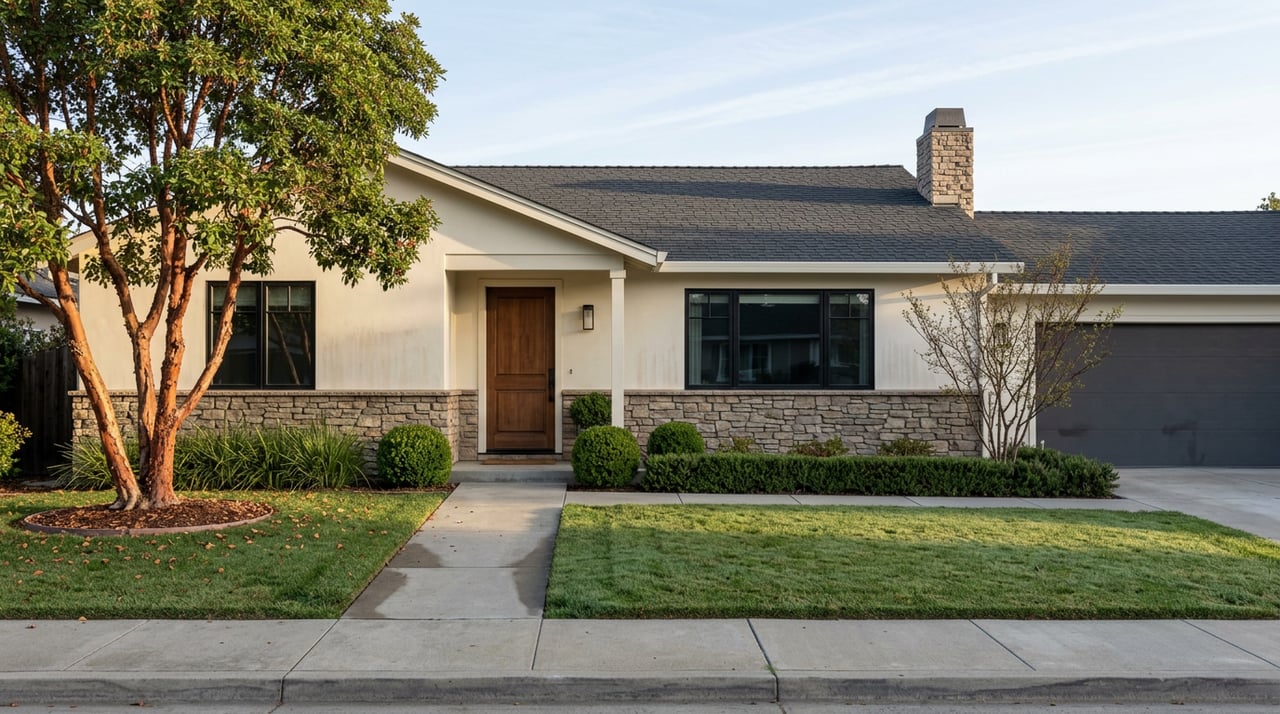
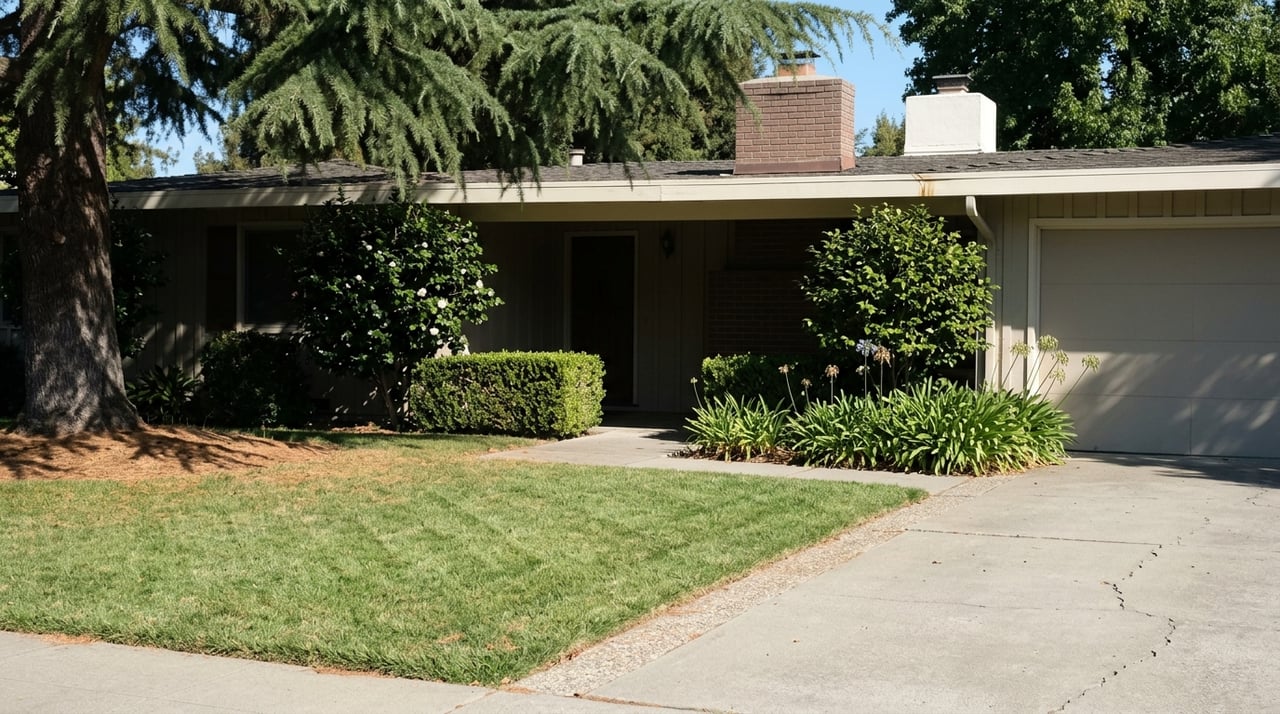
These homes are often one story or one-and-a-half stories with broad eaves, long porch beams, and horizontal massing. You may also notice wide front doors, ribbons of windows, and a low, grounded profile. For many buyers, this is the classic older Willow Glen look.
These earlier cottages often have restrained detailing and simple forms. Common features can include small dormers, recessed porches, and shallow angled bay windows. They tend to feel modest and balanced rather than ornate.
These homes are usually more symmetrical and understated. Dutch Colonial examples often feature a gambrel roof and one-and-a-half-story massing. If you like a cleaner, more formal exterior, these may stand out to you.
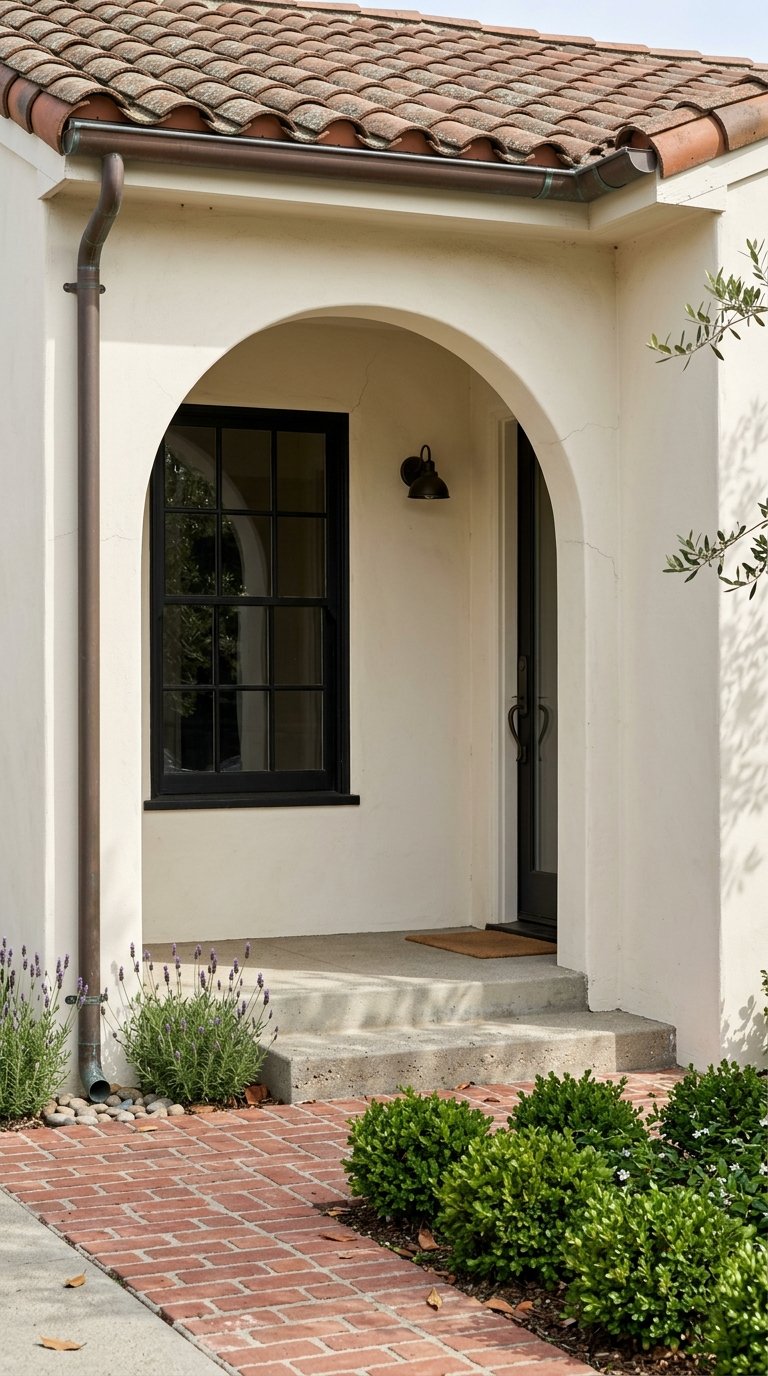
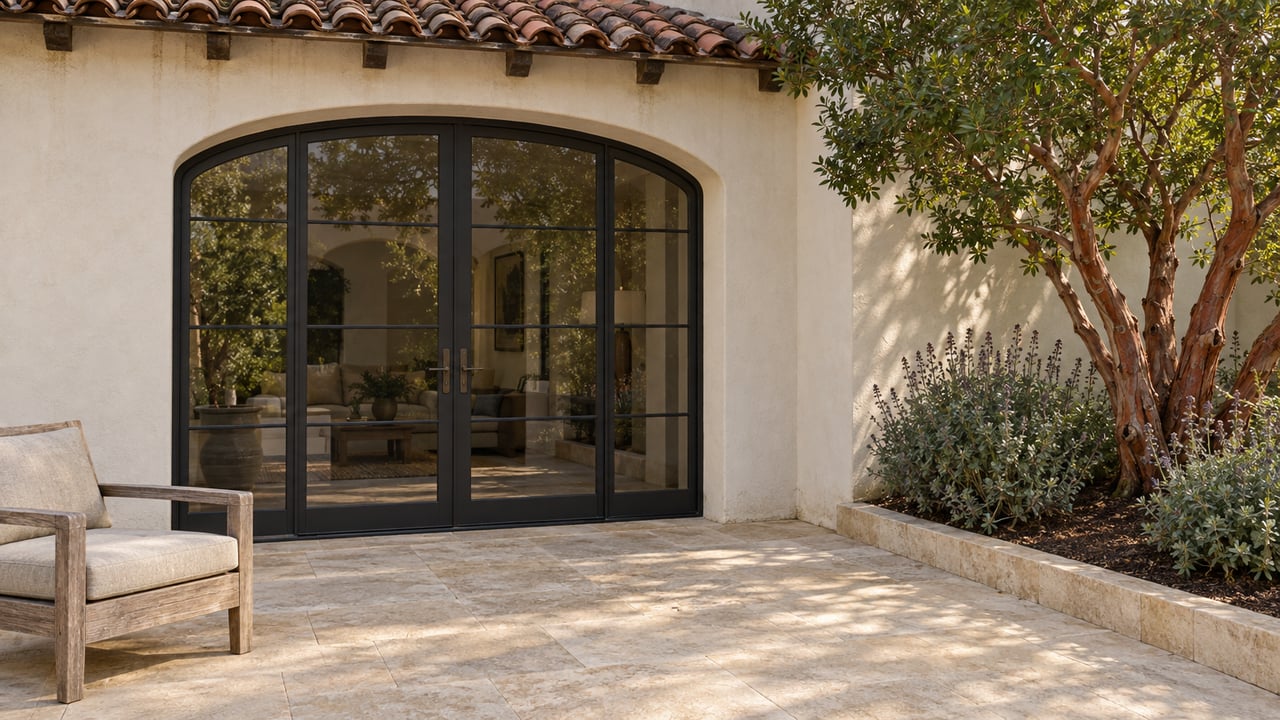
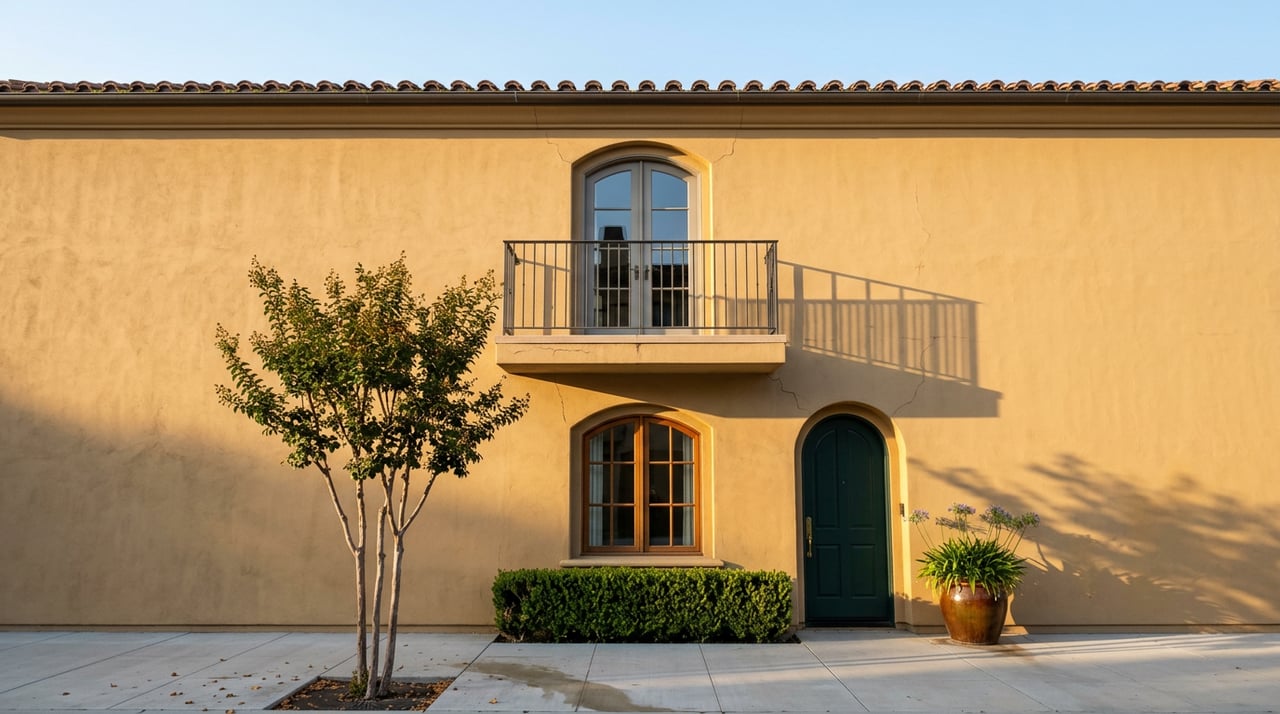
These homes are commonly stucco-clad and may include exposed beams, wrought-iron accents, and heavier trim. They bring a different visual texture to the neighborhood while still fitting the area’s older housing fabric.
These are typically compact single-story homes with simple rectangular or slightly offset plans. Rooflines are usually low-pitched, and ornament is limited. In many cases, these homes were built small, especially before Ranch-style design became more common.
The lot pattern in North Willow Glen is a major part of the buying experience. Early subdivision patterns created small lot sizes that limited building size and massing. As a result, many homes have modest footprints and less of the open-site feel you might find in newer suburban neighborhoods.
You will also often see detached garages or rear sheds instead of large attached garage layouts. That can be appealing if you value classic neighborhood form, but it can also affect storage, parking, expansion plans, and outdoor flow. In other words, the lot is not just a backdrop. It shapes how the home lives.
Older homes can be solid and livable, but they usually deserve more careful review. In North Willow Glen, the key is to look past surface charm and focus on age-sensitive systems and materials.
If a home was built before 1978, it is more likely to contain lead-based paint. Deteriorating paint on windows, doors, stairs, railings, porches, banisters, and window sills can be especially important because peeling paint or friction surfaces may create lead dust. Even if a home looks cosmetically updated, renovation planning should account for lead-safe practices.
In older homes, asbestos risk is often tied to disturbance rather than simple presence. Materials such as roofing, floor tiles, pipe insulation, textured coatings, and some wall or ceiling products may contain asbestos in homes built before the 1970s. If you plan to scrape ceilings, replace floors, open walls, or do pipe work, that should be reviewed before work begins.
Drywood termites are common in California’s coastal regions and can be hard to detect because they live inside wood. In an older neighborhood like North Willow Glen, it is smart to pay close attention to crawl spaces, fascia, trim, roof framing, and signs of patch-and-paint repairs. A professional termite inspection can help you understand whether there is active infestation, prior treatment, or hidden damage.
Older Bay Area wood-frame houses may not be bolted to their foundations and may lack cripple-wall bracing. That can make them more vulnerable in an earthquake, especially if they are on raised foundations. If a seller says the home has been retrofitted, ask for documentation so you know what work was actually completed.
Older homes are more likely to have electrical systems that were designed for a very different era. Wiring may not support today’s appliance loads, and some systems may lack updated safety features. If breakers trip, outlets feel loose, or the panel appears dated, it is worth having an electrician evaluate capacity, grounding, and overall safety.
In San José, the property owner is responsible for the sanitary sewer lateral, while the City maintains the main sewer line. The City also notes that tree roots can clog laterals and that some properties may need a backwater valve to help prevent backups. In a mature neighborhood with older landscaping, a sewer camera scope is often a smart part of your due diligence.
Many older homes have less insulation than newer construction. That can affect comfort, utility costs, moisture control, and attic condition. If the house feels drafty or inconsistent from room to room, an energy assessment may help identify where insulation and air sealing need attention.
If the home is very old, it may be worth asking about the service line that runs from the street to the house. Lead service lines were installed mainly from the late 1800s through the 1940s. It is not an issue in every older home, but it is a fair question to raise when you are evaluating a property of that age.
This is one of the biggest things buyers miss. In North Willow Glen, some homes may be on the Historic Resources Inventory or located within a conservation area, and that can affect the permit path for exterior work.
San José states that listed single-family properties generally need a Single-Family House Permit, while city landmarks or landmark-district properties may require a Historic Preservation Permit instead. If you are thinking about changing windows, altering the exterior, expanding the house, or changing visible architectural features, you should confirm the property’s status early. It is much better to know the rules before you fall in love with a renovation idea.
Older homes reward buyers who do their homework. The goal is not to avoid every older property. The goal is to understand what you are buying and what it may cost to maintain or improve.
Here is a practical checklist to use:
Buying an older home in North Willow Glen is often a tradeoff that many buyers are happy to make. You may get architectural character, neighborhood continuity, mature surroundings, and a location with long-established housing fabric. At the same time, you may also take on more inspection work, more system review, and more planning around permits and future improvements.
That is why the best approach is equal parts appreciation and discipline. You can absolutely love the character of an older Willow Glen home, but you should still review permits, inspect carefully, and ask focused questions about the condition of the parts you cannot easily see. In a market where every dollar matters, clear due diligence helps you protect both your budget and your long-term plans.
If you are considering an older home in Willow Glen and want a clear-eyed strategy around disclosures, inspections, and offer decisions, Aaron Derbacher can help you evaluate the opportunity with the level of care it deserves.
Stay up to date on the latest real estate trends.
Aaron brings a breath of fresh air to an often-chaotic California Real Estate process. He is committed to going the extra mile for every client during every transaction, something he sees as the most important fiduciary duty for any real estate professional.
16780 LARK AVE FRNT LOS GATOS CA 95032