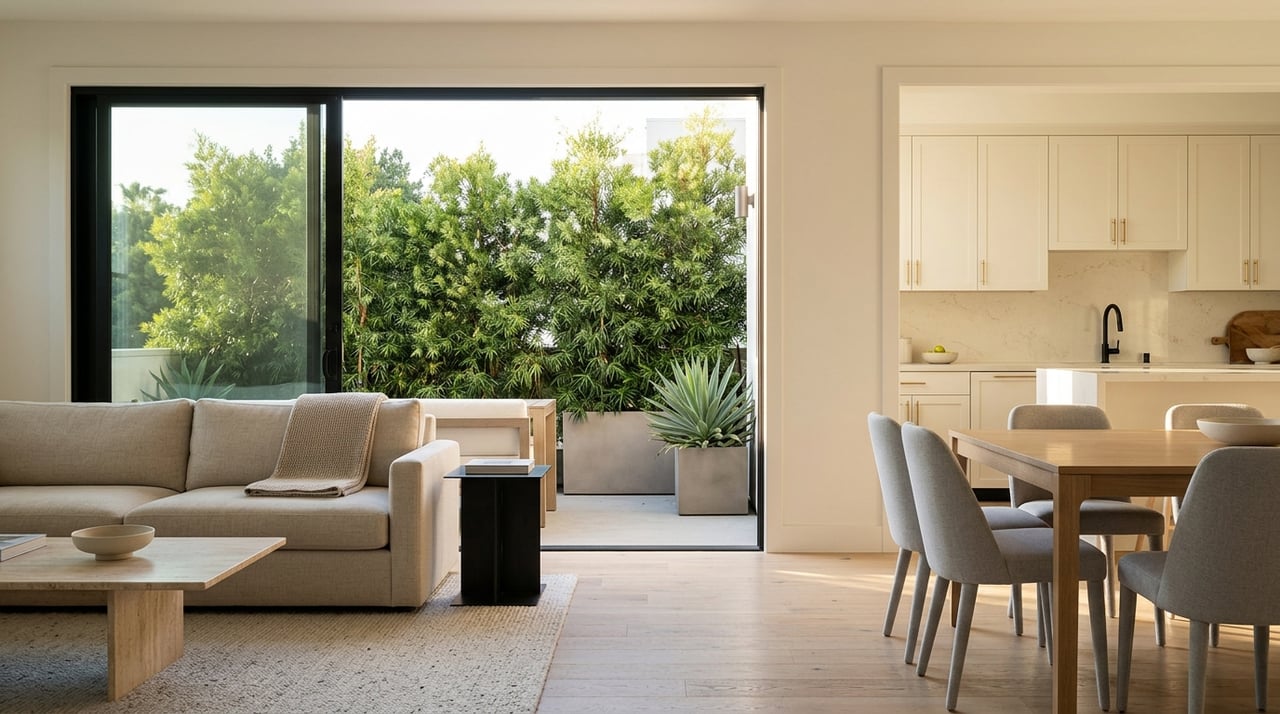
How to Sell a Condo or Townhome in San Jose
June 11, 2026
June 11, 2026
Wondering why selling a condo or townhome in San Jose can feel more complex than selling a detached home? You are not imagining it. In this market, buyers look closely at not just your unit, but also the HOA, monthly dues, reserves, inspections, and the overall story behind the community. If you want to protect your price and avoid preventable delays, it helps to know where buyers focus first. Let’s dive in.
San Jose condos and townhomes compete in a different lane than the broader single-family market. Recent market snapshots show San Jose condos with about 360 active listings at a median list price of $675,000 and roughly 47 days on market. San Jose townhouses had about 170 active listings at a median list price of $975,000 and roughly 31 days on market.
That is a very different picture from the broader city and county numbers. San Jose homes overall sold for about $1.46 million median over the last three months and averaged 11 days on market, while Santa Clara County had a median sale price of about $1.70 million, a 104.0% sale-to-list ratio, and 13 days on market. For sellers, the takeaway is simple: your condo or townhome should be priced against the right attached-home comparables, not broad market averages.
With attached homes, small differences can have a big impact on value. Buyers often compare HOA dues, parking, floor plan efficiency, natural light, views, and amenities side by side. A unit with a more functional layout or better parking may outperform a nearby sale that looks similar on paper.
That is why pricing discipline matters. If you price your condo or townhome as though it should follow single-family momentum, you risk losing early interest. In San Jose, attached homes often need a more product-specific strategy that reflects exactly what buyers are weighing.
One of the biggest differences in a condo or townhome sale is the HOA document package. Under California Civil Code 4525, sellers in HOA-governed communities are required to provide key documents to prospective buyers. These can include governing documents, the most recent annual budget and reserve materials, current regular and special assessments, unpaid charges, unresolved violation notices, defect-related materials, and the most recent exterior elevated element inspection report when applicable.
If a buyer asks, board minutes from the prior 12 months may also be provided. Under Civil Code 4530, the HOA generally has 10 days after a written request to provide the requested documents and may charge a reasonable fee based on actual cost. If you already have current copies in your possession, those may be provided at no cost.
This timing matters. If you wait too long to request documents, you can slow down your listing timeline or create stress once offers start coming in. For many San Jose sellers, getting ahead of the HOA paperwork is one of the smartest moves you can make.
Buyers do not just ask what your home looks like. They also want to know how the association is operating. Common questions include:
These are not random questions. They line up closely with what California requires sellers to disclose in common-interest developments. A complete and organized HOA package can help buyers feel more confident and reduce the chance of surprise-driven renegotiation.
For condos and many townhomes, shared components often matter as much as the unit itself. Roofs, balconies, exterior walls, waterproofing, parking structures, and common-area systems can all shape buyer confidence and future ownership costs. That is one reason buyers often review HOA materials very carefully before fully committing.
California Civil Code 5551 also adds another important layer for qualifying condominium projects. It requires a visual inspection of a random, statistically significant sample of exterior elevated elements at least once every nine years, with the first inspection due by January 1, 2025. If an element presents an immediate threat to safety, the association must restrict access until repairs are inspected and approved.
For sellers, this means building-condition questions may show up early. If your association has already completed required inspections or has active repair planning, buyers will likely want to see that context. Clear information helps reduce uncertainty.
Even with the HOA packet, condo and townhome sellers still have the broader California disclosure framework to complete. The California Department of Real Estate states that the Transfer Disclosure Statement is intended to describe the property’s condition. Depending on the location and tax structure, Natural Hazard Disclosure and Mello-Roos notices may also be required.
In other words, attached-home sellers have both the usual seller disclosure responsibilities and the added HOA layer. That is why preparation matters so much. A smooth sale is often the result of organized paperwork, timely requests, and a proactive review of what buyers are likely to question.
Paperwork matters, but so does presentation. According to the National Association of Realtors’ 2025 Profile of Home Staging, 29% of agents said staging led to a 1% to 10% increase in the dollar value offered, and 49% of sellers’ agents observed faster sales. The same research found that 73% of buyers’ agents said listing photos are highly important.
That is especially relevant for smaller attached homes. Buyers need to understand how the space functions, where storage lives, and how each room can be used. The goal is not to make the home look bigger than it is. The goal is to make it feel clear, bright, and easy to understand.
When you are selling a San Jose condo or townhome, the most effective prep is usually practical. The living room, primary bedroom, and kitchen are especially important spaces to present well. Buyers often make fast judgments based on whether the home feels clean, efficient, and move-in ready.
A smart prep plan often includes:
NAR also reported that 83% of buyers’ agents said staging helped buyers imagine the home as their future residence. In condos and townhomes with tighter or more unique layouts, that can make a real difference.
There is also a broader market backdrop worth understanding. Redfin reported in July 2025 that U.S. condo prices fell 2.2% year over year in May and that condos took 46 days to go under contract nationally. That slowdown was tied in part to rising HOA fees, insurance costs, and special assessments.
While national trends do not define every San Jose sale, they help explain buyer behavior. Many buyers are asking more questions before writing or removing contingencies. That means your strategy should do more than generate attention. It should also reduce uncertainty.
For most San Jose condo and townhome sellers, the highest-impact strategy is straightforward. It starts with narrow comp selection, continues with early HOA-document review, and finishes with polished but practical presentation. Those three pieces work together.
When pricing is realistic, documents are organized, and the home shows clearly, buyers have fewer reasons to hesitate. In a market where attached homes are judged on both the unit and the association around it, preparation can directly support your bottom line.
If you are thinking about selling, the right plan is not just about getting listed. It is about understanding what buyers will compare, what they will question, and what will help them feel confident enough to pay strong money. That is where a strategic, local approach can make a meaningful difference.
If you are preparing to sell a condo or townhome in San Jose, Aaron Derbacher can help you build a smart pricing, prep, and disclosure strategy that fits today’s market.
Stay up to date on the latest real estate trends.
Aaron brings a breath of fresh air to an often-chaotic California Real Estate process. He is committed to going the extra mile for every client during every transaction, something he sees as the most important fiduciary duty for any real estate professional.
16780 LARK AVE FRNT LOS GATOS CA 95032